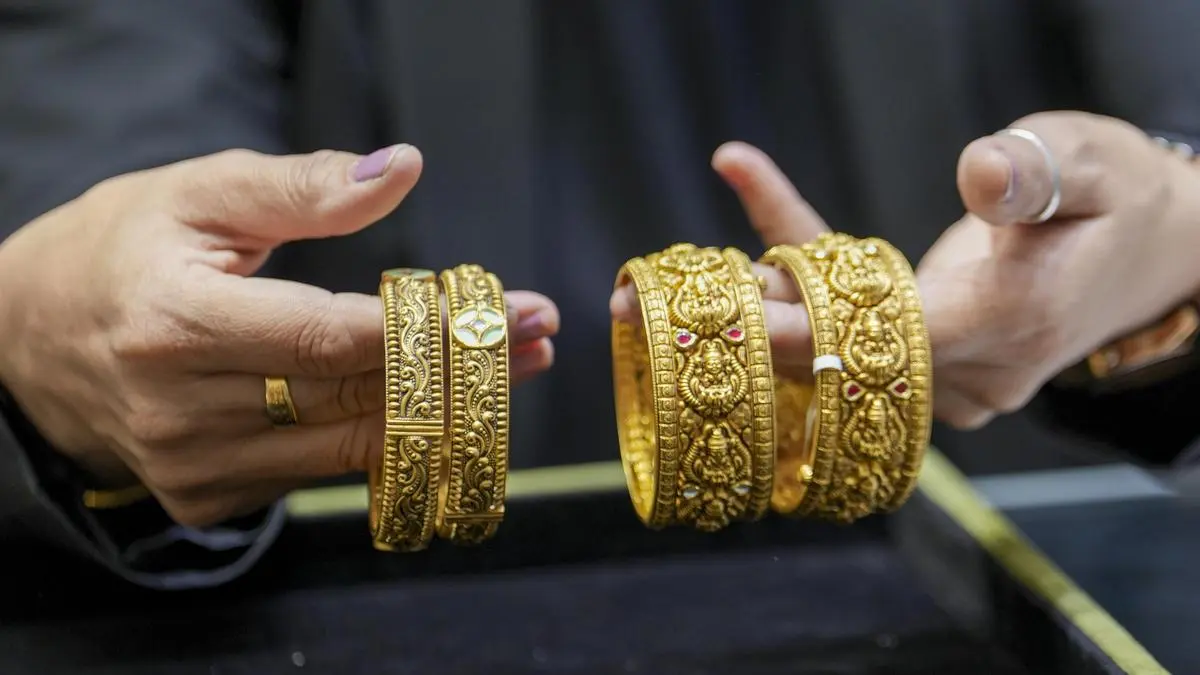
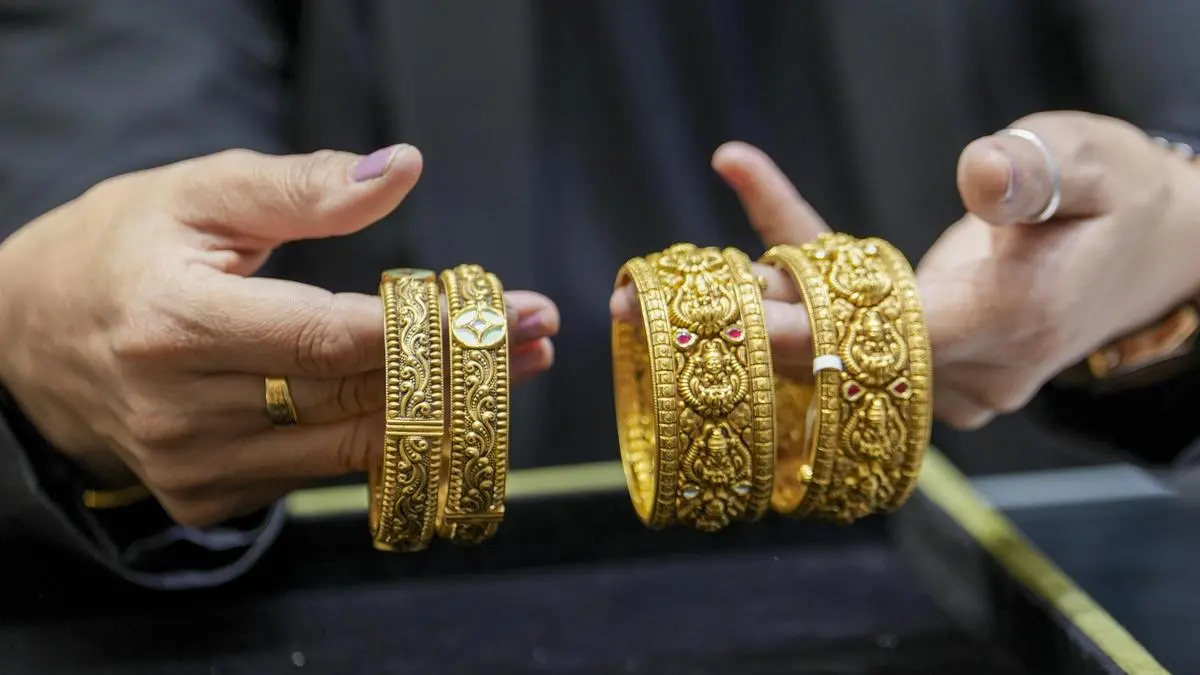
Retail jewellers say the sudden spike in prices has sharply eroded affordability in a market that was already witnessing slower demand ahead of the wedding and festive season.
| Photo Credit:
KAMAL KISHORE
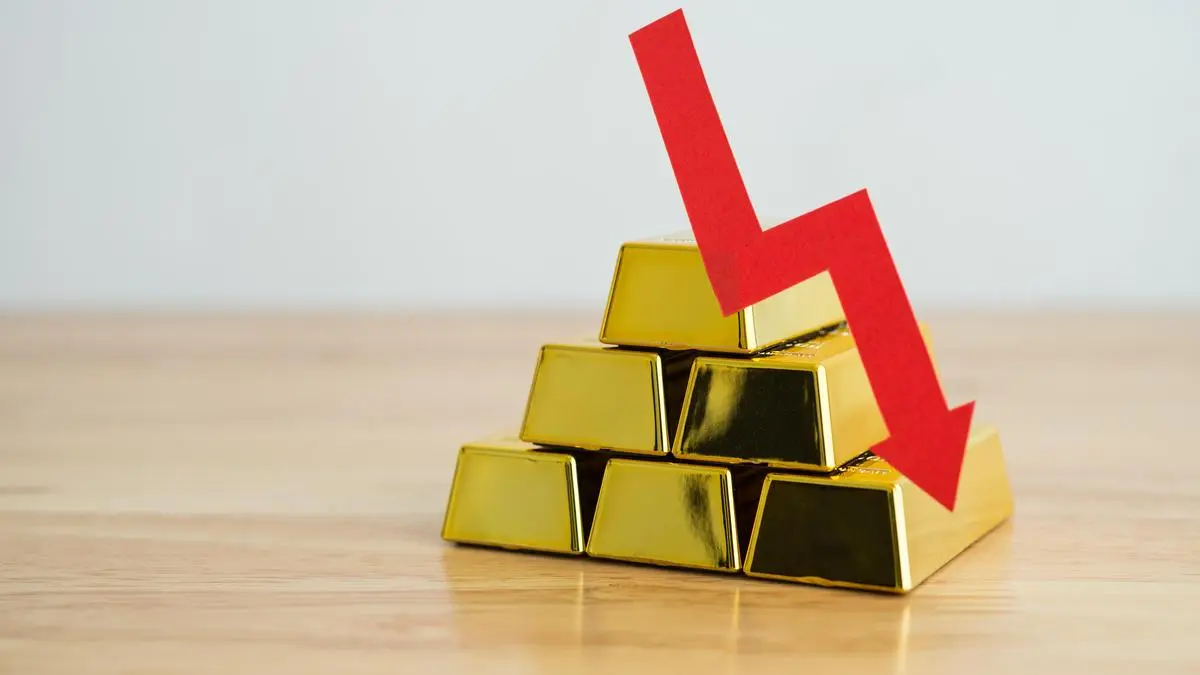
A steep hike in gold import duty sent domestic gold prices soaring nearly 10 per cent on Wednesday, worsening sentiment in India’s bullion and jewellery market where traders and retailers say demand has slowed dramatically amid rising prices and weak consumer affordability.
The rally in domestic gold prices following the duty increase, coupled with Prime Minister Narendra Modi’s appeal to curb non-essential gold imports, has triggered caution across bullion markets and jewellery showrooms, with retailers reporting weak footfalls, shrinking purchase sizes and a growing shift towards exchange transactions.
Hareshkumar Acharya, director at India Bullion and Jewellers Association (IBJA), said sentiment in the bullion market deteriorated almost immediately after the government’s move. “Ever since the Prime Minister spoke about reducing gold imports and the duty hike was announced, there has been no rush in bullion markets or among retailers to buy gold,” Acharya said. “If there were 10 sellers earlier, there is now barely one buyer. After the duties were raised, the situation worsened further,” he added.
Retail jewellers echoed similar concerns, saying the sudden spike in prices has sharply eroded affordability in a market that was already witnessing slower demand ahead of the wedding and festive season. Manoj Soni, director at Ahmedabad-based AB Jewels Pvt Ltd, said customers are increasingly cutting down on purchases as prices climb higher. “A customer who had set aside ₹25,000 for gold four days ago now gets nearly 10 per cent less in value,” Soni said. “The business is already down significantly compared to the peak season, and with the increase in import duty, this coldness in the market is likely to deepen further.”
Jewellers said consumers are compromising on grammage rather than abandoning purchases entirely. Buyers who earlier planned to purchase 10 grams are now opting for lighter jewellery, smaller designs or lower-carat products to remain within budget.
Several factors at play
Chetan Thadeshwar, chairman and managing director at Shringar House of Mangalsutra Limited, said import duty revisions are only one of several factors influencing gold prices. “Gold prices have never been driven by duty changes alone,” Thadeshwar said. “Even during periods of lower import duty, prices rose sharply because of global trends, rupee depreciation and sustained consumer demand,” he said adding that consumers increasingly understand that gold pricing is shaped by a combination of international and domestic factors, making such revisions part of the broader market cycle.
Industry executives also expect exchange-led purchases to gain further momentum as households recycle existing jewellery to offset higher prices. MP Ahammad, chairman of Malabar Group, said the duty revision could accelerate the shift towards exchange and recycling-driven transactions rather than causing a structural collapse in demand. “What we expect over the coming quarters is not a contraction in demand so much as a shift in how that demand is met,” Ahammad said. “Exchange of old gold for new jewellery, already a meaningful share of transactions at organised retailers, will become the dominant mode of purchase,” he added.
Jewellers across markets said exchange transactions already account for a significant share of current sales as households look to minimise fresh cash outflows. “Of the limited market that is functioning, very few customers are buying entirely fresh gold. Most are exchanging old jewellery for new purchases,” Soni of AB Jewels said. “This trend has been visible for the last six months and is expected to continue as prices rise further,” he added.
The industry expects demand to remain muted until the wedding and festive season begins later in the year. “The marriage season and festival demand are still some time away. Until then, markets are likely to remain subdued,” Acharya said, adding that IBJA expects a sharp near-term decline in bullion trade and jewellery demand following the duty hike.
Despite the sharp rise in prices, traders said there has been no panic buying or speculative rush in the market — unlike previous rallies when consumers would often advance purchases fearing further increases. “There has been no rush to buy gold in the last few days,” Soni said. “Mind-set and economic ability of customers to make purchases could be the reasons.”
Published on May 13, 2026