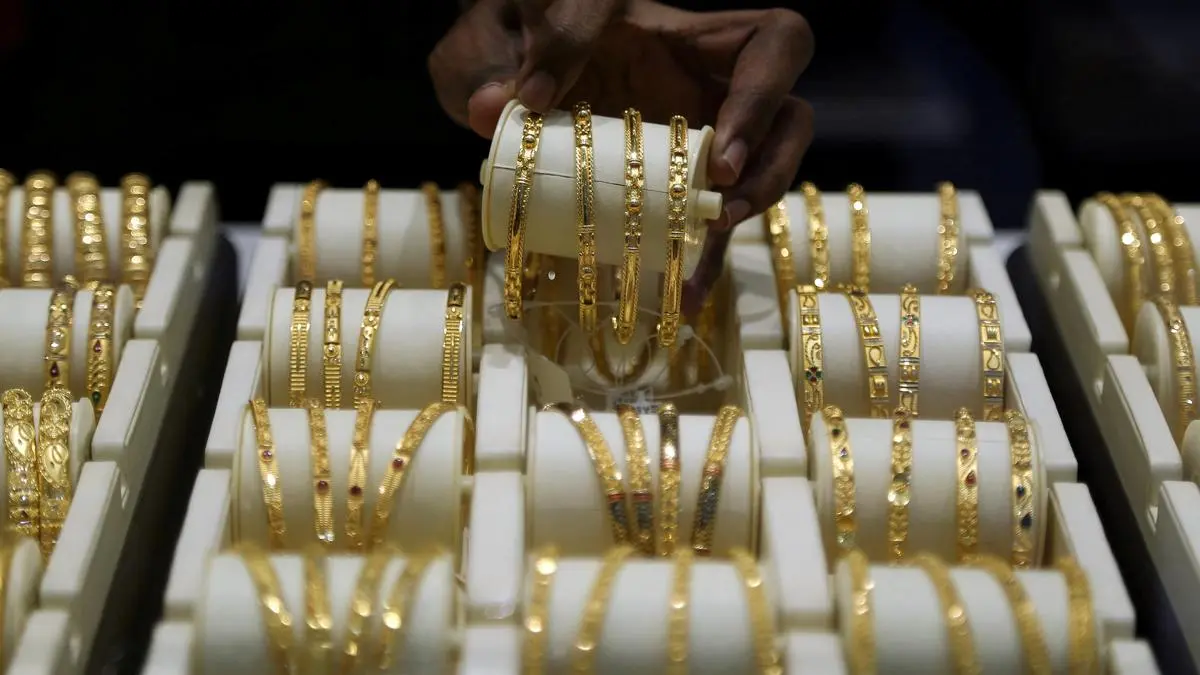
Gold prices in the Indian domestic market are trading at a discount of over ₹450 per g to the landed prices, including import taxes, after the Government more than doubled the Customs duty to 15 per cent from 6 per cent on May 13.
The discount is being offered to spur demand, which has been hit after Prime Minister Narendra Modi asking the people not to buy the precious metal for a year.
“Domestic gold prices traded at a steep discount to official prices, widening from an average of $14/oz the week before the duty hike to nearly $150/oz (₹462/g),” said Kavita Chacko, Research Head – India, World Gold Council (WGC).
Inventory off-load
Bullion dealers likely offloaded the inventory imported at lower import duty, adding to market supply, she said. The Government increased the import duty on gold, silver and platinum on May 13 to discourage shipments into the country and control the forex outgo.
“Previous import duty hikes in 2019 and 2022 also resulted in discounts in the domestic market, but this episode has been significantly more pronounced due to the scale of the increase,” she said.
During the weekend, gold prices in the Mumbai spot market ended at ₹1,58,534 per 10 g. On MCX, gold June contracts ended at ₹1,58,588. In the global market this week, gold ended over 0.5 per cent lower at $4,516.75 per troy ounce.
“The duty change has resulted in those who had imported at the lower 6 per cent duty offloading their stocks at a discount,” said CA Surendra Mehta, media spokesperson of Mumbai-based Indian Bullion and Jewellers Association (IBJA).
Varied impact
“Jewellers are passing the benefits to consumers by even cutting making charges to spur demand,” said N Anantha Padmanabhan, Managing Director of Chennai-based NAC Jewellers.
“There is virtually no demand,” said Mehta.
“The Prime Minister’s appeal to stop buying gold is impacting sales,” said Padmanabhan.
Chacko said the market feedback and trade interactions suggest a varied impact across segments, with many retailers indicating a likely pause in procurement.
“Large chain stores saw a brief period of panic buying after the announcement, driven by expectations of further measures, and while they expect a slowdown in sales, they remain relatively resilient given inventory buffers and continued support from bridal demand,” she said.
Prospects of rise in smuggling
Mid-sized and regional players are continuing to see buying from affluent customers. But they are expecting to rely more on exchange programmes and tighter inventory cycles going forward.
The WGC India research head said smaller retailers appeared the most vulnerable. They were already stretched by high prices and they now faced additional pressure from sales volumes and profit margins.
WGC imports data point to a higher smuggling when the import duty for gold is hiked. “Between 2013 and 2026, increases in import duty were mostly followed by higher levels of unofficial or smuggled gold, while duty reductions coincided with sharp declines in such inflows,” she said.
Higher import duties widen the domestic–international price gap and increase the incentive for smuggling, while lower duties reduce its attractiveness, said Chacko. However, the import duty change had a limited influence on official import volumes over the past 13 years.
In 2026, the WGC estimates that combined jewellery and bar and coin demand could decline by 50-60 tonnes, some 10 per cent lower than in 2025 due to the impact of the import duty hike. Other factors, such as the gold price, changes to income levels, inflation, or effects from the monsoon, will influence further annual demand.
Published on May 24, 2026