i
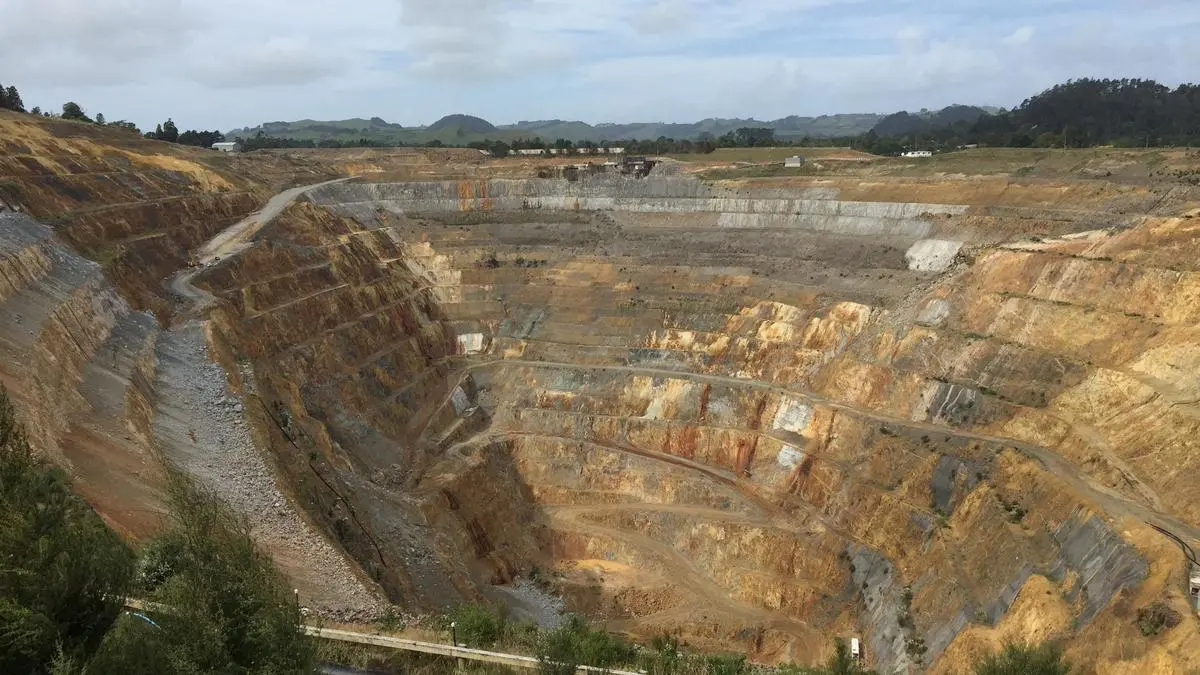
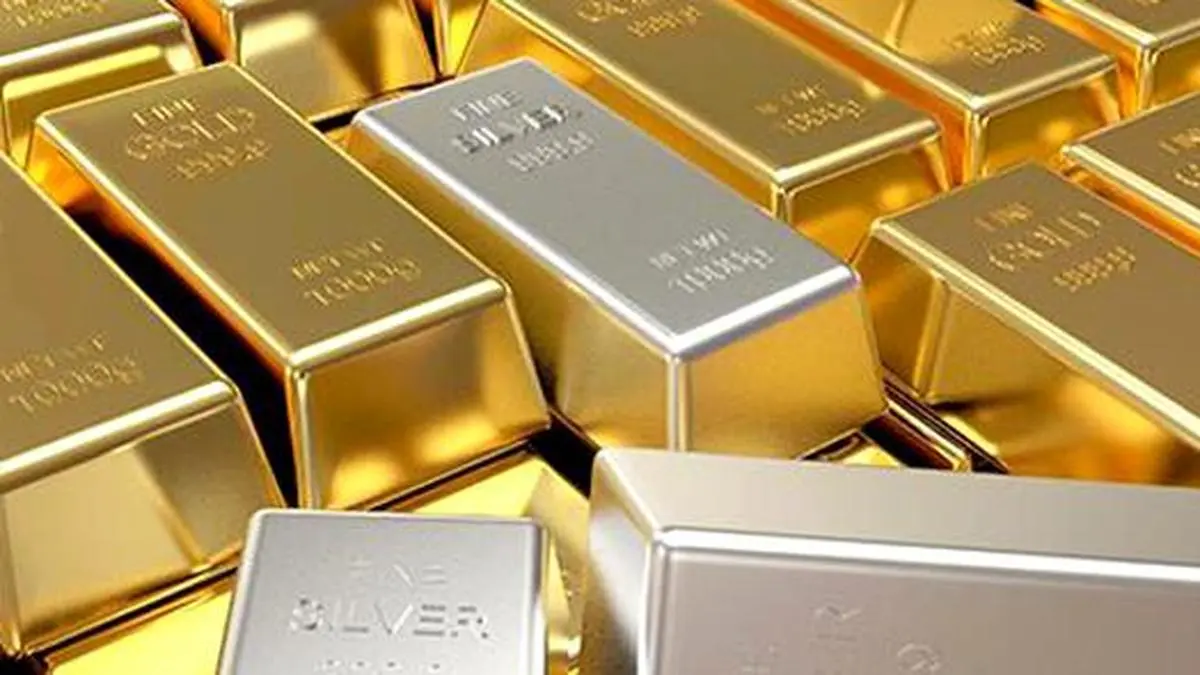
India has the potential to source up to 20 per cent of its annual gold demand of 800-850 tonnes from domestic mining through supportive policy measures, according to the World Gold Council report Swarnim Udaan 2047.
Over the past 10 years, the Government has issued 18 composite licences and six mining licences across eight States, covering 14,632 hectares. These blocks collectively represent about 146 tonnes of gold-bearing ore containing an estimated 270 tonnes of gold metal. Currently, India produces only about 1.6 tonnes of gold annually.
Building on this momentum, India’s first large–scale private gold mine since Independence, the Jonnagiri gold project in Andhra Pradesh, commenced production in 2026.
Developed by Geomysore Services with support from Deccan Gold Mines and Thriveni Earthmovers, the project has attracted investment exceeding ₹400 crore and is expected to produce up to one tonne of gold annually.
Geological similarities with China
Sachin Jain, Regional CEO India, World Gold Council said India can source up to 20 per cent of its gold requirement from domestic mines by 2047 and emerge as the “Jeweller of the World” if policy reforms, investments and industry collaboration continue to gain momentum.
India shares geological similarities with China, which transformed itself from a major importer into the world’s largest gold producer over the past two decades, he added.
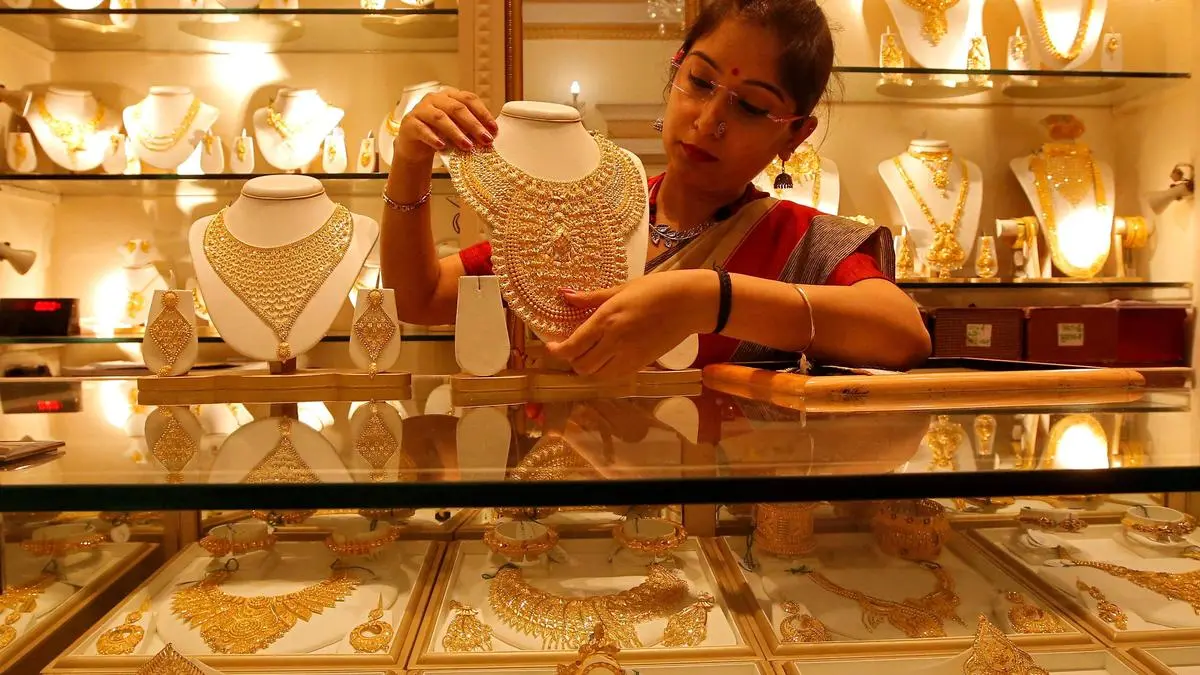
Speaking on the financialisation of household gold, Jain said Indian households are estimated to hold around 31,000 tonnes of gold and a portion of this wealth could be put to productive use through transparent and technology-enabled mechanisms. This could improve liquidity, deepen capital markets and reduce reliance on imports.
He said that tokenisation and digital ownership are expected to play an increasingly significant role in the future gold ecosystem.
3 task forces
To drive the implementation of the recommendations outlined in Swarnim Udaan 2047, the WGC announced the formation of three task forces focused on gold financialisation, mining and manufacturing, and consumer development. Drawing a parallel with the Tea Board of India, the report has also proposed the creation of a National Gold Board to bring policy coordination under a single institutional framework.
The Council said it has already launched the Indian Association for Gold Excellence and Standards, an industry self-regulatory organisation and will establish a Global Gold Innovation Centre in India.
Prepared in partnership with Deloitte Monitor following consultations with government departments, regulators and industry stakeholders, the report positions the gold sector as a key contributor to India’s ambition of expanding its economy from approximately $5 trillion today to $30 trillion by 2047.
Published on August 4, 2026