The story so far:
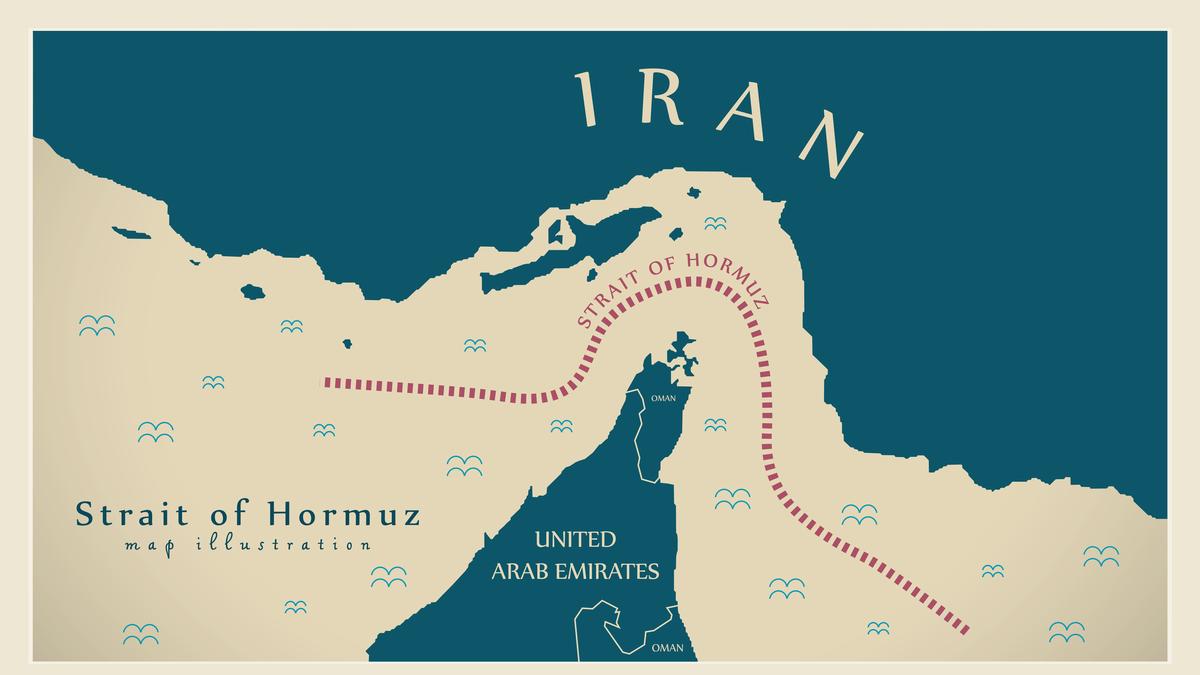
As the blockade of the Strait of Hormuz exposed the vulnerability of India’s supply chain for cooking gas, the majority of which is imported, the Union government invoked the Essential Commodities Act, 1955. While long-term steps are needed to diversify and reduce reliance on global suppliers and expand strategic reserves, the Act is a crucial emergency tool for now. It allows the Centre to direct refiners to boost domestic LPG production, prioritise household consumption, and regulate the allocation of natural gas.
What is the Essential Commodities Act?
The Act empowers the Union government to control the production, supply, and distribution of commodities, including drugs, fertilizers, foodstuffs, edible oils, fuels, and seeds.
Under Section 3, the government can issue orders to maintain or increase supplies, to prioritise production of any essential commodity, or to secure their equitable distribution and availability at fair prices. It can set prices and stock limits, prevent sales, control storage, transport, and distribution, and prevent hoarding and black marketing.
In the recent past, the law has been invoked to manage shortages of wheat, sugar, and pulses. During the COVID-19 lockdown, it was invoked to prevent hoarding, black marketing, and profiteering of a range of goods.

Why has it been invoked now?
Facing U.S. and Israeli strikes, Iran has retaliated by attacking oil-producing neighbours in the Persian Gulf that hosted U.S. forces, and targeting ships in the Strait of Hormuz. While a fifth of the world’s oil transits through this maritime chokepoint, it is the disrupted supply of Liquefied Petroleum Gas (LPG), or cooking gas, that has sent Indian consumers into a panic.
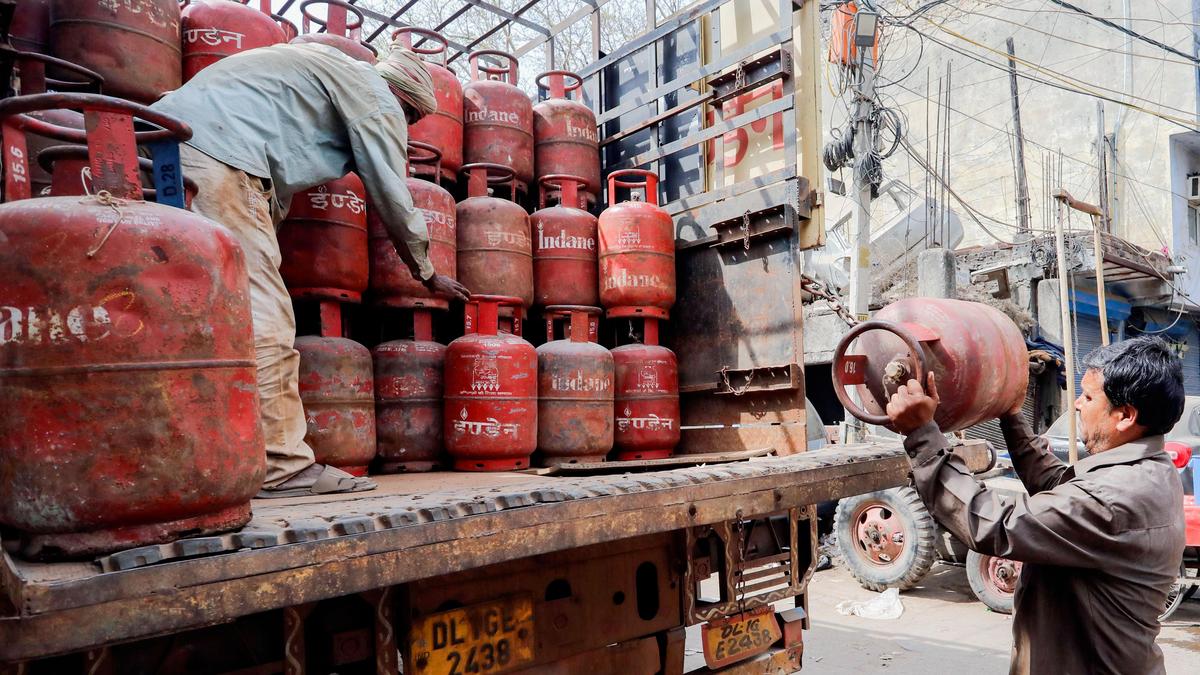
The Pradhan Mantri Ujjwala Yojana helped to boost LPG coverage in Indian households from about 62% in 2016 to almost 100% now. However, domestic production has not kept up with consumption. In 2024-25, Indian refineries produced 12.8 million metric tonnes of LPG, just 41% of the annual consumption of 31.3 million tonnes (Petroleum Ministry data). The gap is filled by imports, of which a whopping 90% comes through the Strait of Hormuz.
Liquefied natural gas (LNG) is also piped into Indian kitchens, apart from fuelling vehicles, and being used for other commercial purposes. Of India’s consumption of 189 million metric standard cubic meters per day, 52% is produced domestically. A quarter of the total consumption is imported from the Persian Gulf.
How does the order affect LPG production?
On March 5, the government ordered all oil refineries in India to channel their propane and butane streams into LPG production, rather than using them for petrochemical manufacturing. A revised order on March 9 specified that SEZ oil-refining companies and petrochemical complexes are also to be included. It added that propylene, butene, and other elements of the C3 and C4 streams were also to be used for LPG production only.
Apart from state-run refiners, such as Indian Oil Corporation (IOCL), Bharat Petroleum (BPCL), and Hindustan Petroleum (HPCL), Chennai Petroleum, Oil and Natural Gas Corporation, and the Numaligarh Refinery, the order is also directed at private refiners such as Reliance and Nayara Energy.
The government claims that its order has already increased domestic production of LPG by at least 25%, though that still leaves a 50% gap in supplies to be met by imports.
All LPG is to be supplied exclusively to IOCL, BPCL, and HPCL, which have been directed to supply cylinders only to domestic households. The de-prioritisation of commercial kitchens has already resulted in restaurants, hostels, and hotels downing shutters or limiting their menus.
How does this regulate natural gas supply?
The March 9 order on natural gas does not impact production, but rather establishes a priority-based allocation framework for gas distribution, overriding any existing contracts.
Top priority will go to piped natural gas for households, compressed natural gas for transport, gas needed for LPG production, and pipeline compressor fuel. Supplies to these sectors will be maintained at 100% of their average consumption over the past six months, subject to availability. Fertilizer manufacturers will get 70% of their needs, though this may change if the war continues to disrupt supplies as kharif sowing gets into full swing in summer. Supplies to tea, manufacturing, and other industries have been capped at 80%.
Some petrochemical facilities run by ONGC, GAIL, and Reliance will face partial or full curtailment of LNG supply. Gas allocation to oil refineries will drop to 65% of their usual needs.
Published – March 15, 2026 12:58 am IST