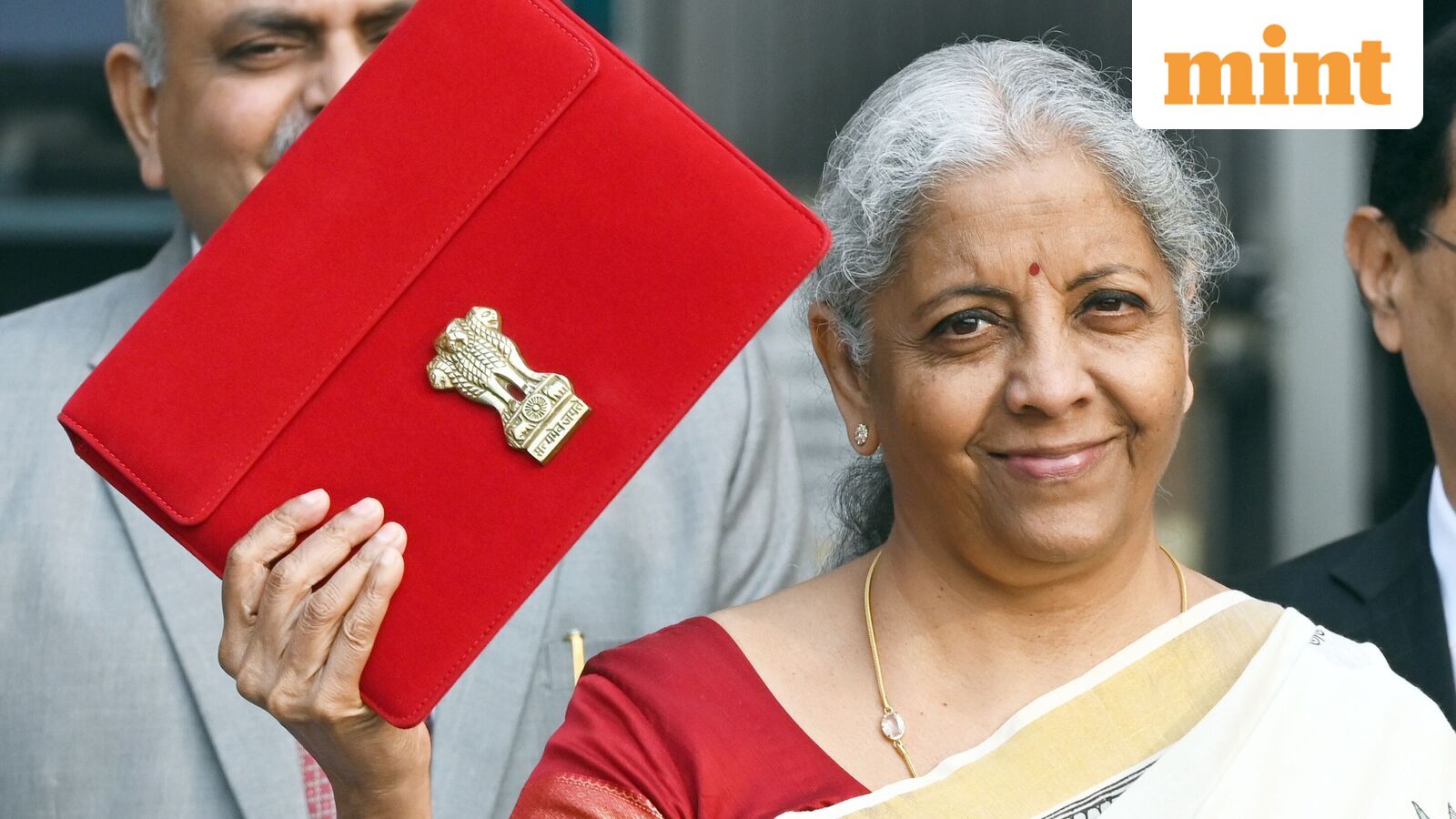
Budget Glossary: The Union Budget 2026 is set to be presented in a matter of few days. Before Finance Minister Nirmala Sitharaman tables the government’s blueprint on expenditure, taxes it is planning to implement, it will be important to know what she says during her Budget speech as it will affect all citizens and the economy as a whole.
Knowing the Budget keywords will give you a fair idea of what is being said to shape public spending and revenues for the fiscal year.
Here is a roundup of important Budget keywords that will be relevant during FM Sitharaman’s Budget 2026 speech.
Budget 2026: Important keywords to know
1. Union Budget: Union Budget is the most comprehensive report of the Government’s finances in which revenues from all sources and outlays for all activities are consolidated. The Budget also contains estimates of the Government’s accounts for the next fiscal year called Budgeted Estimates.
2. Fiscal policy: This is the policy taken up by the government to influence the course of India’s economy through decisions on spending and taxes, and is implemented through the Budget.
3. Inflation: The increase of prices of goods and services in any economy is called inflation. It can also be called declining purchasing power over time. The inflation rate is the percentage rate change in the price level.
4. Monetary policy: Monetary policy is the actions and decisions taken by the central bank to regulate the supply of money and credit conditions in a government.
5. Budget estimates: The amount of money allocated in the Budget to any ministry or scheme for the coming financial year is known as Budget estimates.
6. Revised estimates: The updated projections of revenues and expenditure for the current fiscal year, which has been adjusted based on current trends, is called revised estimates. Revised Estimates are not voted by the Parliament, and hence by itself do not provide any authority for expenditure.
7. Capital budget: It consists of capital receipts and payments, and includes the investments in shares, loans and advances granted by the central and state governments. government companies, corporations as well as other parties.
8. Revenue budget: The revenue budget consists of revenue receipts of the government and its expenditure. The revenue receipts contain tax and non-tax revenues.
9. Finance Bill: This is produced immediately after the Budget gets presented in the Parliament detailing the imposition, abolition, alteration or regulation of taxes proposed in the Union Budget.
10. Capital expenditure: Capital expenditure or capex is the money spent by the government to acquire or upgrade any asset or machinery including land and buildings among, and investment in shares, loan etc. granted by the Centre to states, government companies and corporations.
11. Revenue expenditure: Revenue expenditure is paid by the government for salaries, pensions, and subsidies meant for immediate consumption and does not create future returns.
12. Fiscal deficit: When the government’s non-borrowed receipts fall short of its entire expenditure, it has to borrow money from the public to meet the shortfall. The excess of total expenditure over total non-borrowed receipts is called the fiscal deficit.
13. Primary deficit: This is the fiscal deficit minus interest payments, indicating current fiscal operations excluding past debt obligations.
14. Revenue deficit: This comes into view when revenue expenditure is more than revenue receipts.
15. Gross fiscal deficit: This is the total borrowing requirement of the government during a financial year.
16. Net fiscal deficit: It is the fiscal deficit reduced through net lending by the government.
17. Capital receipts: These include borrowings, disinvestment proceeds, and loan recoveries that either reduce liabilities or create them.
18. Revenue receipts: This is the income created by the government through taxes and non-tax sources. They do not create liabilities.
19. Direct taxes: These include income tax and corporate tax among others, paid directly to the government by individuals.
20. Indirect taxes: Taxes like GST are known as indirect taxes, and is collected by the government through intermediaries via taxes levied on goods and services.
21. Consolidated Fund of India: All revenues raised by the government, money borrowed and receipts from loans given by the government flow into it. All government expenditures other than certain exceptional items met from contingency fund and public account are made from this account.
22. Customs duty: These are levies charged when goods are imported into, or exported from, the country, and they are paid by the importer or exporter.
23. GDP: Gross Domestic Product or GDP is the total value of goods and services produced within the country, and is often a key reference point for budget targets.
24. Corporate tax: This is the tax paid by corporations or firms on the incomes they earn.
25. Disinvestment: The sale of shares of public sector undertakings by the government is known as disinvestment.
Key Takeaways
- Familiarity with budget terminology enhances understanding of government financial strategies.
- Key budget terms like fiscal deficit, revenue receipts, and capital expenditure are essential for grasping economic health.
- Being informed about the Union Budget can help citizens anticipate changes in public spending and taxation.