Finance Minister Nirmala Sitharaman presented the Union Budget for 2026–27 on Sunday, 1 February, against the backdrop of renewed geo-economic disruptions affecting India.
With these pressures likely to spill into the coming financial year, the Budget offers a window into how the government plans to respond to a set of pressing challenges. In this five-part series, we use charts to examine the Budget’s response to these pressures across 15 key concerns.
This part looks at tax, excise duty, and defence. Each topic has a pair of charts—one presenting the context the budget faced and the other showing what the Budget delivered.
Taxing times?
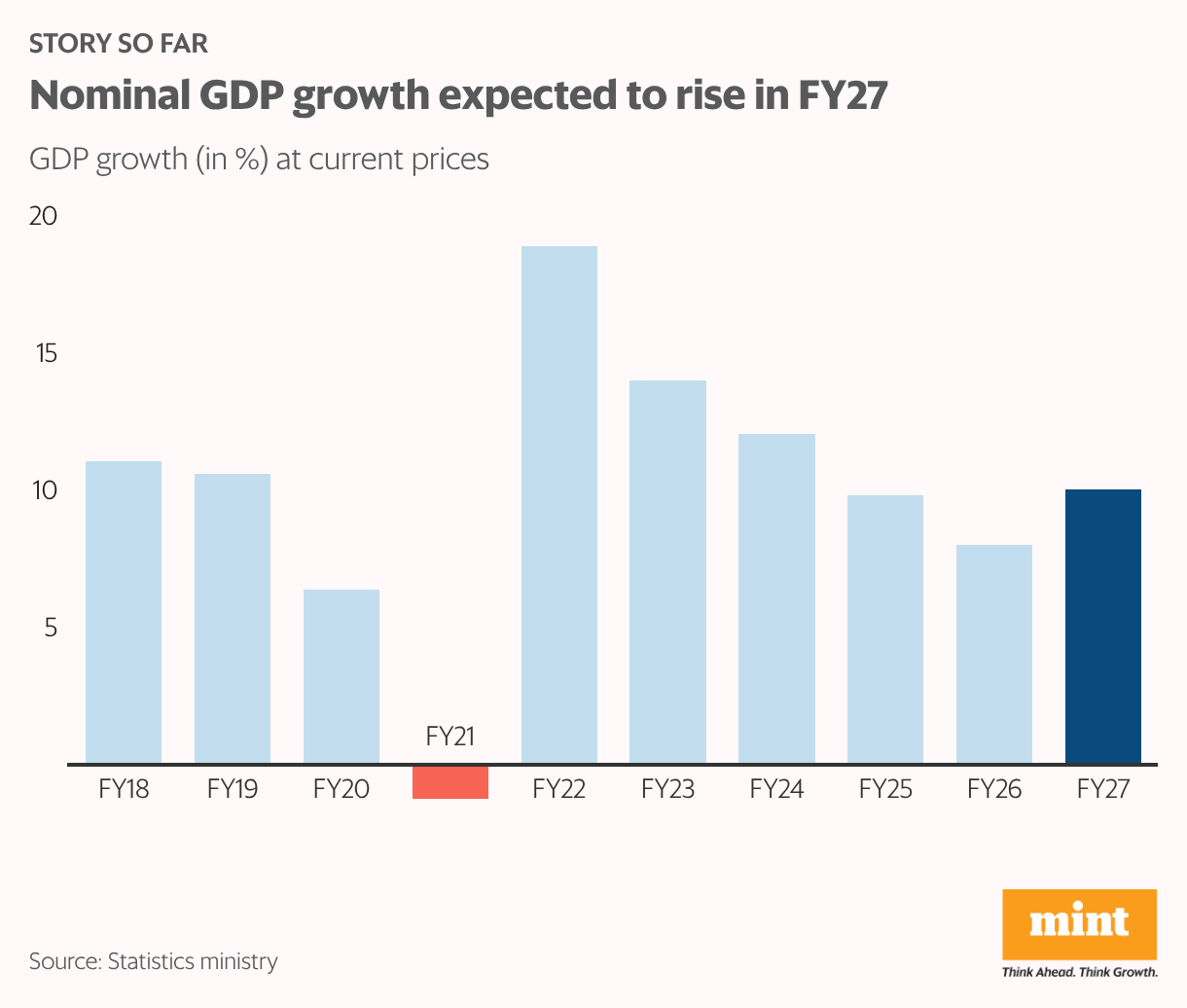
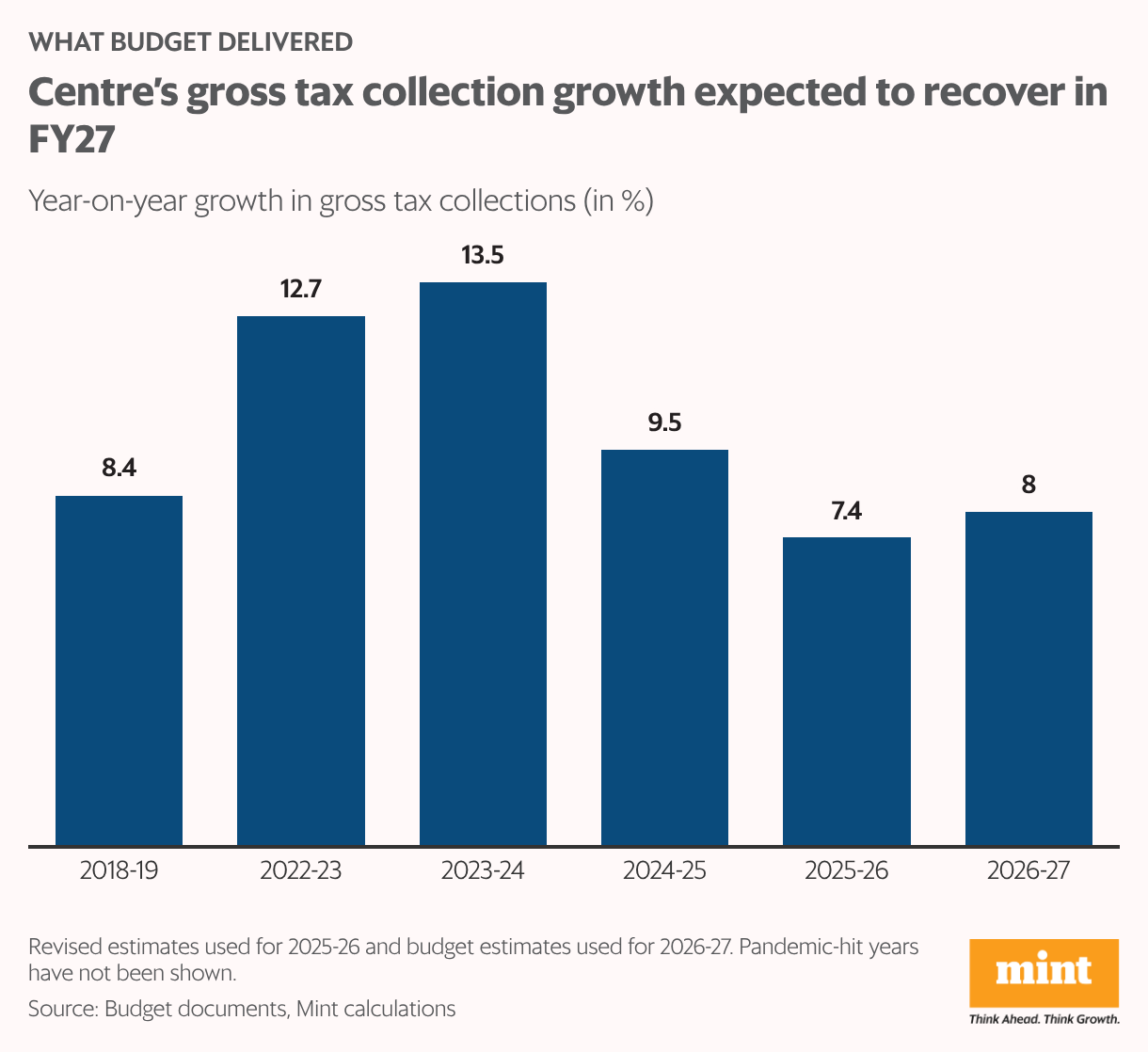
Nominal GDP growth slowed down to 8% in FY26 as inflation plunged during the year. As a result of slow growth, the government’s tax collections remained muted, a decline that exceeded the initial impact of the income tax cuts provided in the previous Budget.
However, with economic growth at current prices expected to pick up with rising inflation, the government’s overall tax growth is expected to be higher. The improvement will also be supported by a recovery in consumption. These factors combined suggest a much more robust revenue outlook for the upcoming fiscal.
The excise lever
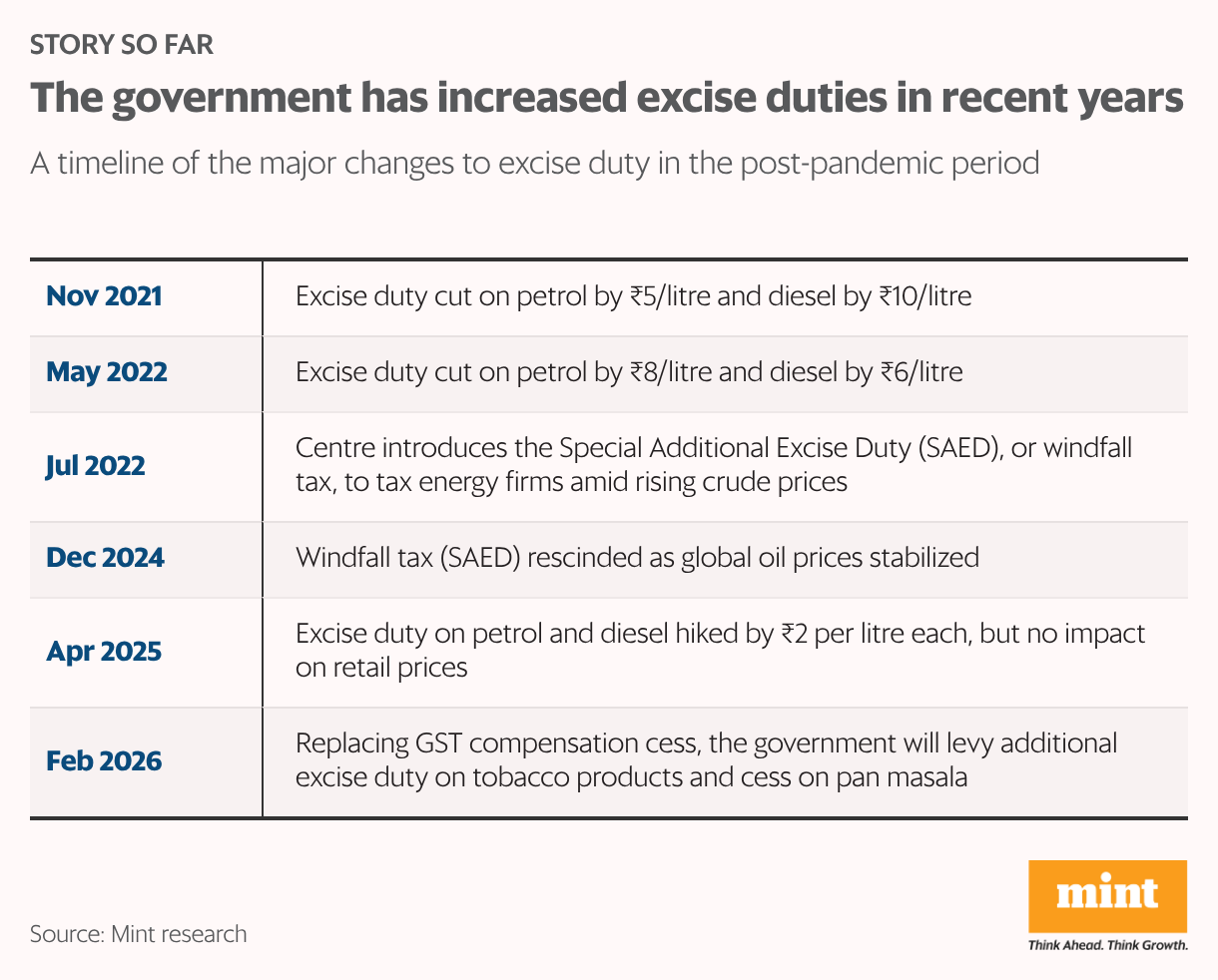
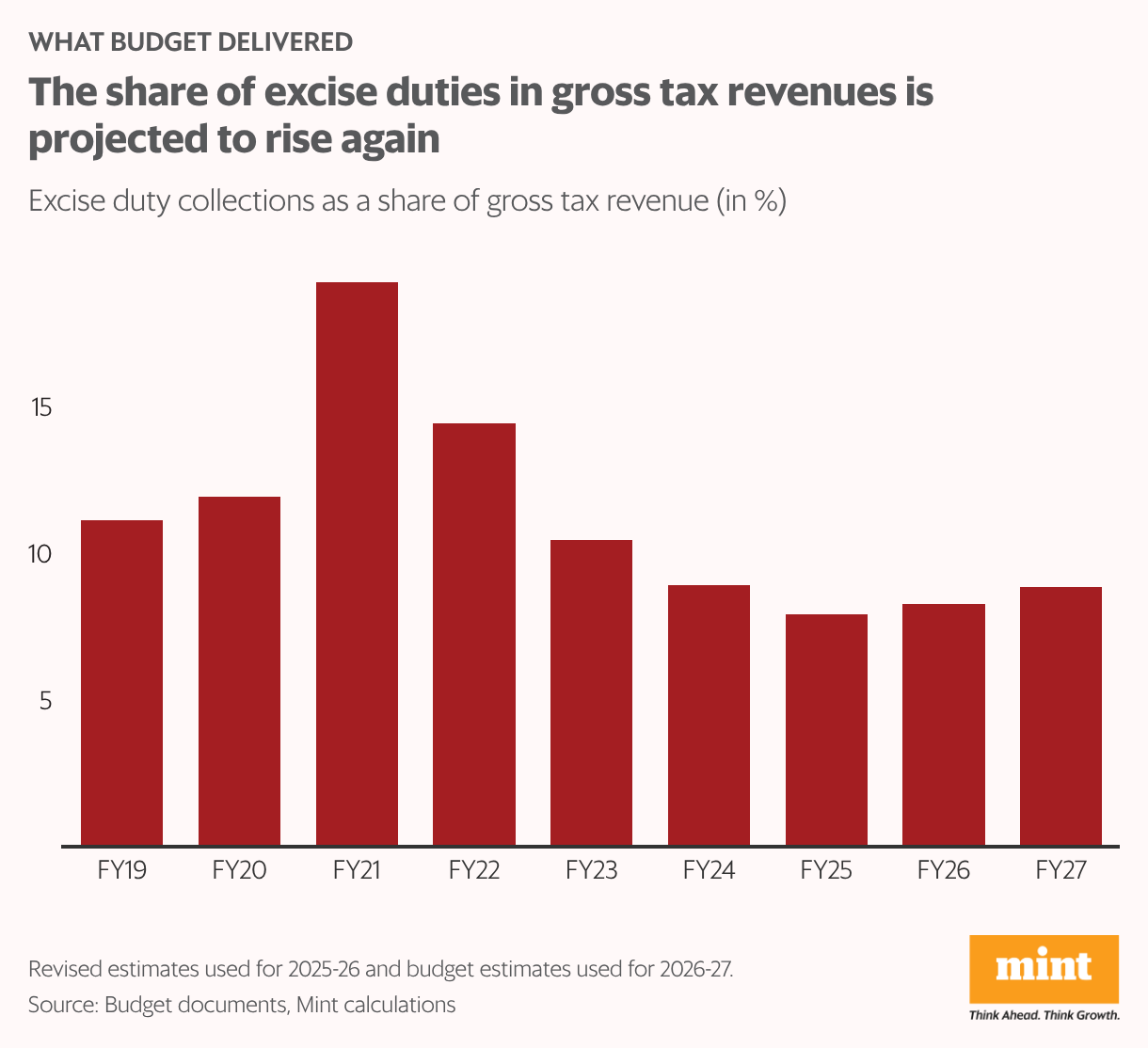
The excise duty, which is currently levied on petroleum products and tobacco, is a lever the government can raise or cut quickly to respond to evolving economic situations.
When oil prices rose sharply during the pandemic and Russia-Ukraine war, the duty was slashed to temper broader inflation. Similarly last year, as oil prices slumped to a four-year low, the duty was hiked even as retail prices remained the same. In the current fiscal, the government has imposed an excise duty on cigarettes and other tobacco products that will lift its excise duty collections.
Defence check
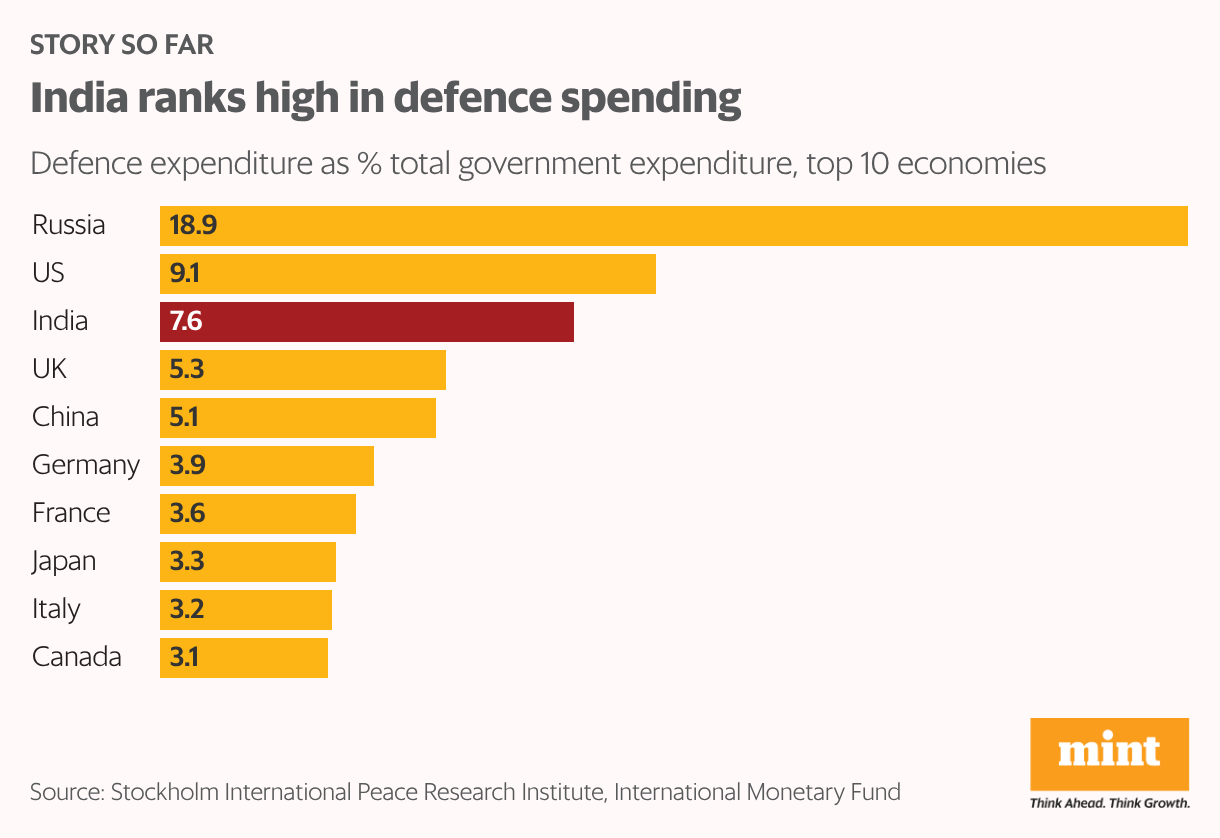
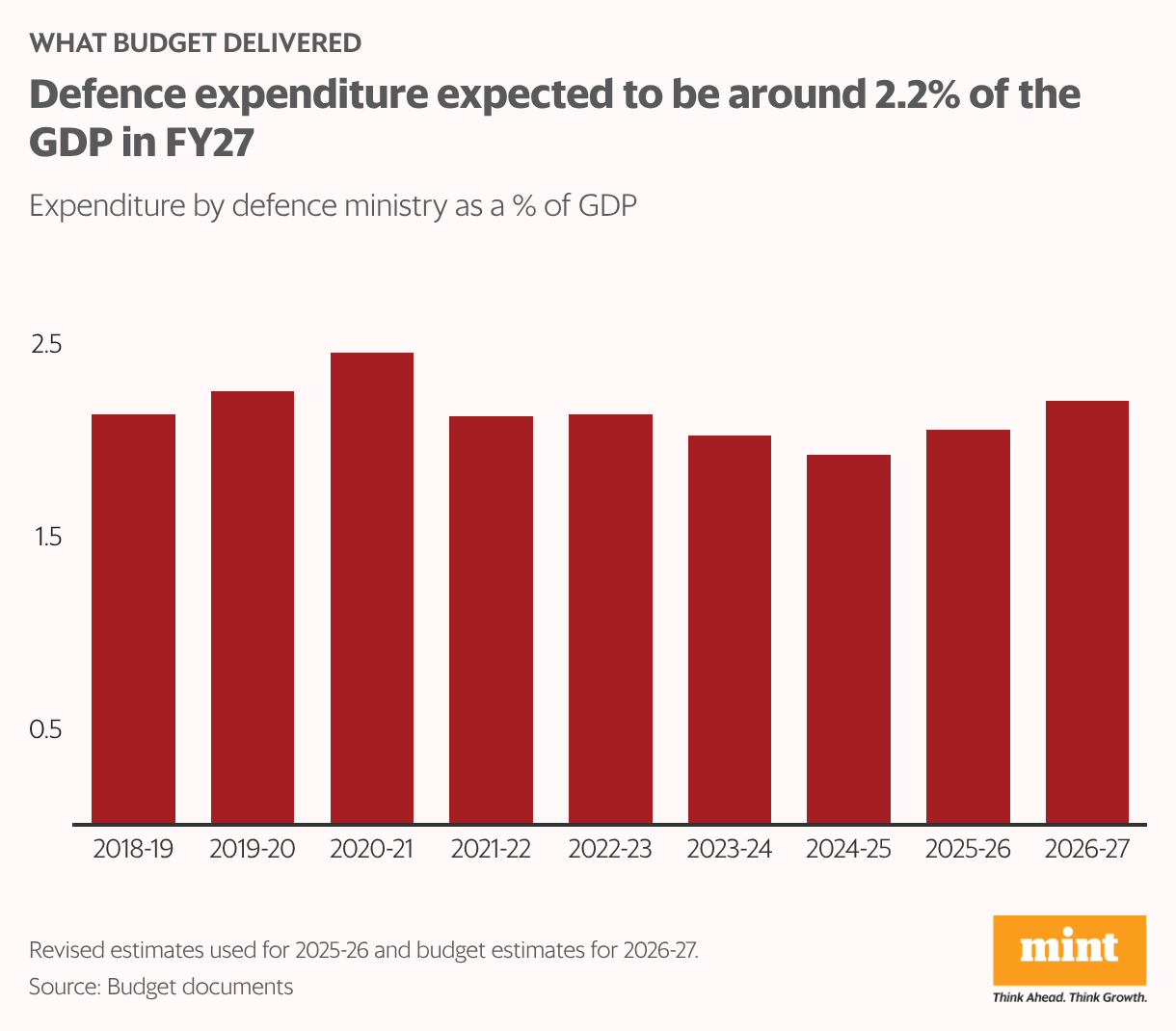
India’s defence spending is the third-largest globally among major economies, yet spending as a share of GDP has steadily declined, slipping below 2% in recent years. The need for a funding boost has become more pressing amid heightened tensions over the past year, reflected in the aftermath of the Pahalgam terrorist attack and continuing political instability in Bangladesh. In FY27, it is expected see an uptick, rising to 2.2% of the GDP.
Moreover, with global geopolitical risks intensifying, sustaining military preparedness is paramount for national security. An increased budgetary outlay will help modernize armed forces and counter emerging threats, within a hostile regional landscape today.