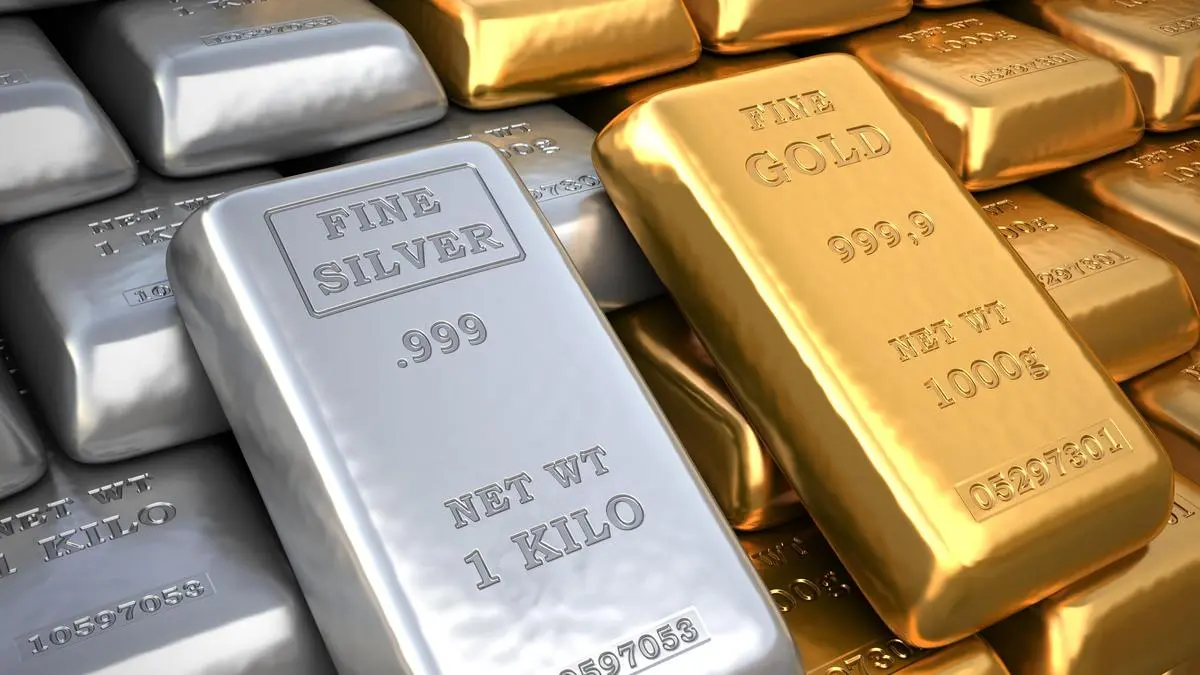
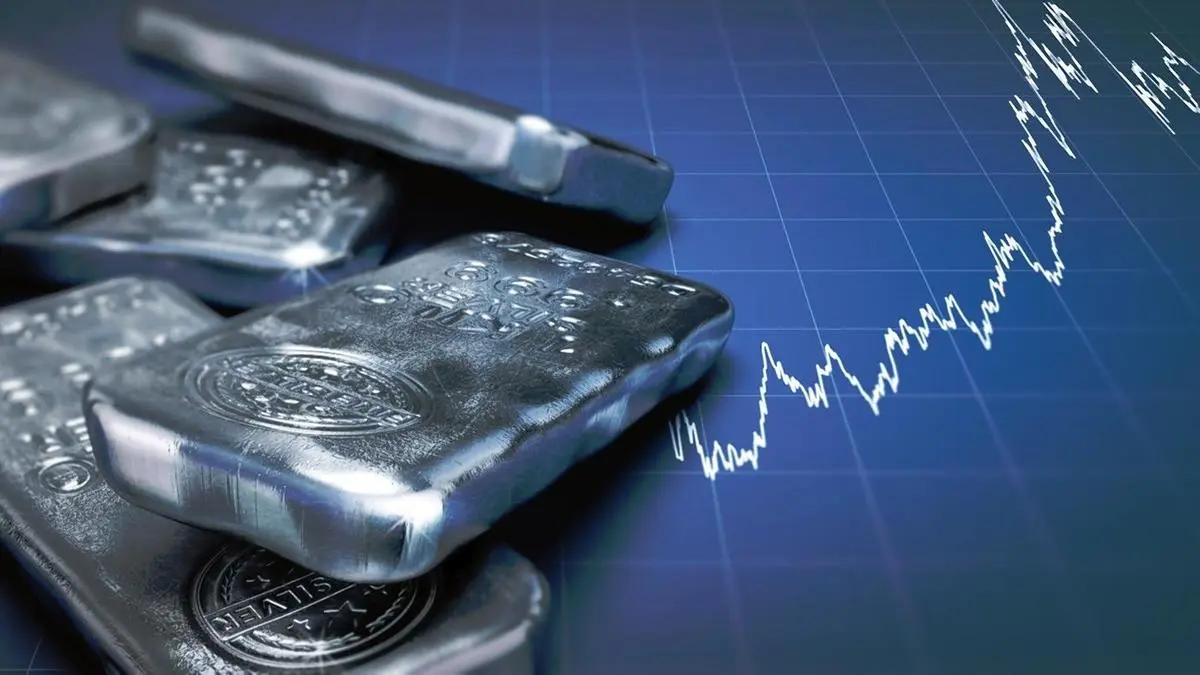
As gold prices post their biggest annual gain in 46 years, consumers are increasingly opting for coins, bars and ETFs instead of traditional jewellery to avoid high making charges.
| Photo Credit:
PTI
For nearly two
decades, Mumbai homemaker Prachi Kadam marked every festive
season with a gold jewellery purchase, blending tradition with
personal style. This year’s record rally in prices, however, led
her to choose a 10-gram gold coin instead of necklaces or
bangles.
“I like jewellery because it can be worn during functions,
but it’s hard to justify paying an additional 15% in making
charges,” said Kadam, who, like millions of Indians, considers
buying gold during festivals to be auspicious. “So I settled for
a 10-gram coin this time,” she added.
Her decision reflects a broader shift in India, one of the
world’s largest gold markets and where the metal holds deep
cultural and financial significance. With prices heading for
their biggest annual gain in 46 years, consumers are
increasingly turning away from jewellery toward small coins and
bars.
Strong demand for safe-haven assets, U.S. interest rate cuts
and a weaker dollar drove global gold prices up 67% so
far this year and saw them hitting a record high of $4,549.7 per
troy ounce on December 26.
Indian domestic gold prices climbed 77% this year,
outpacing the Nifty 50 index’s 9.7% gain, aided by a 5% fall in
the rupee against the dollar.
PRICE SURGE RESHAPES BUYING HABITS
Analysts say the trend is cushioning a drop in overall
demand and is likely to persist into 2026, echoing a global
slowdown in ornament purchases as bullion prices soar.
For others, the adjustment means buying less gold rather
than abandoning jewellery altogether.
Kolkata-based Nibedita Chakraborty said her household budget
has not kept pace with rising prices, prompting her to switch to
lightweight designs.
“Even reducing the weight of a gold necklace by six or seven
grams can save more than 100,000 rupees ($1,114),” Chakraborty
said.
As prices rise, consumers are becoming more design- and
value-conscious, said Saurabh Gadgil, chairman of P N Gadgil
Jewellers, which launched a new sub-brand for
lightweight and lower-carat jewellery in June.
“Buyers want pieces that allow them to participate in gold
ownership without feeling price pressure, and modern
craftsmanship has made lightweight jewellery aspirational rather
than entry-level,” Gadgil said.
India’s total gold demand fell 14% year on year in the first
nine months of 2025, with jewellery consumption down 26% to 278
metric tons and investment up 13% to 185 tons, the World Gold
Council (WGC) said. Investment made up a record 40% of total
demand during the period underscoring gold’s enduring role as a
store of wealth in Indian households.
The shift toward investment gold and away from jewellery is
expected to persist through 2026, as the metal continues to
outperform other asset classes, Prithviraj Kothari, president of
the India Bullion and Jewellers Association (IBJA), said.
“Consumers are purchasing gold in the form of coins, bars,
or gold ETFs, assuming that the rally will continue,” Kothari
said.
India-listed gold-backed exchange-traded funds (ETFs) saw an
inflow of $3.3 billion, equivalent to 28.7 tons so far this
year, which raised their holdings to 86.2 tons, according to the
WGC.
Leading industry consultancy Metals Focus expects the
softness in India’s jewellery demand to carry into 2026, with
full-year jewellery consumption projected to decline by a
further 9%. With gold becoming less affordable, jewellery
consumption has seen a structural shift where consumers are
opting for lower caratage and lighter-weight designs, it added.
There is growing acceptance of lower-carat jewellery,
including 18-carat and 14-carat options, particularly among
younger customers and working professionals, said Santosh
Kataria, chairman of DP Abhushan Ltd.
“These pieces allow buyers to manage budgets while still
enjoying appealing designs, making them suitable for everyday
wear,” Kataria said.
Published on December 31, 2025