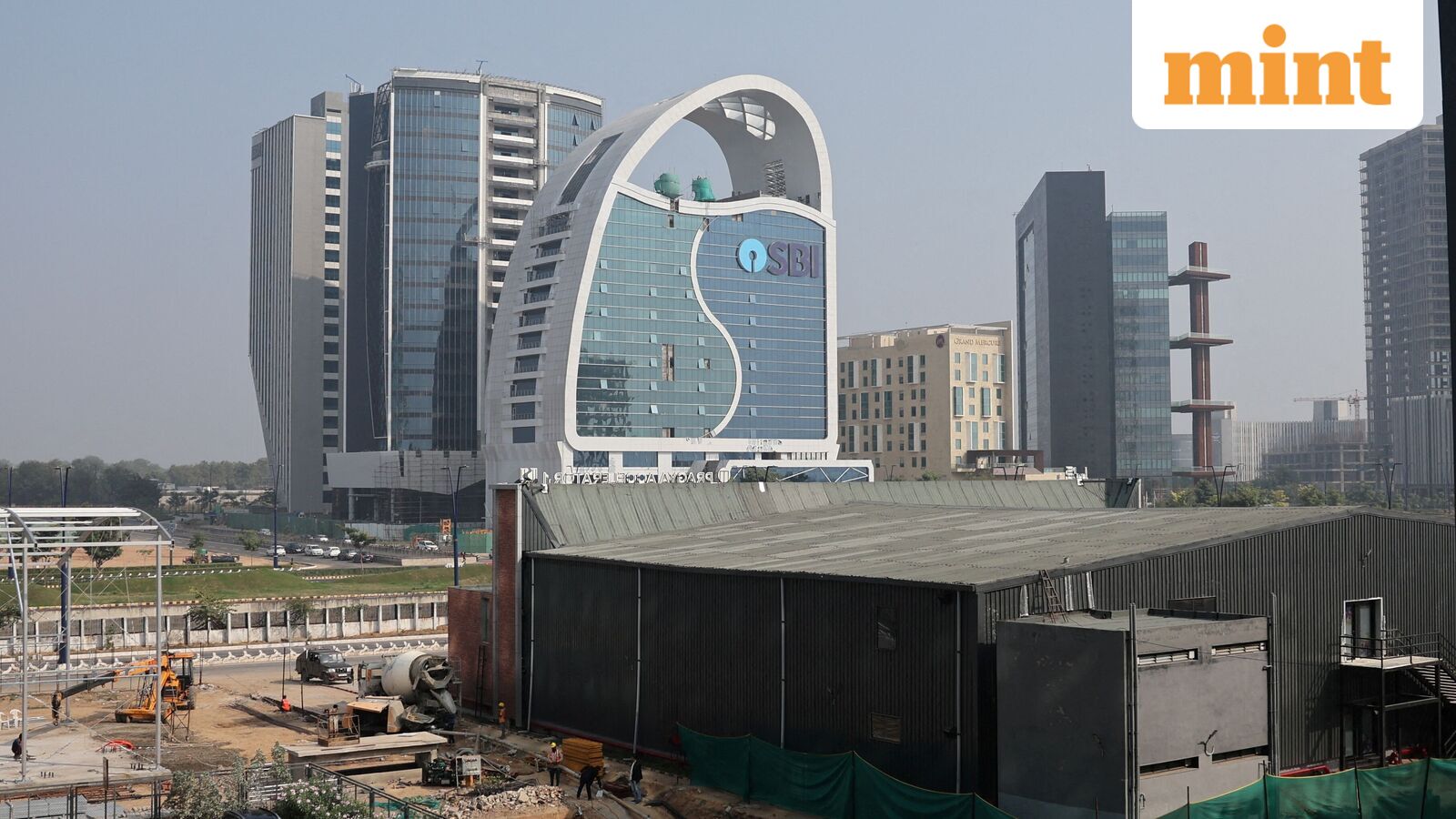
The Union budget has doubled the tax holiday for companies operating from the International Financial Services Centre (IFSC) in Gujarat and reduced the tax they have to pay after the break, bringing relief and tax certainty to entities operating from the global financial hub.
Entities in IFSC can now enjoy tax-free operations for a total of 20 years against the previous 10, and pay 15% tax on profits after the tax holiday, compared to previous rates of 25-35%.
The move immediately assuages concerns of IFSC entities worried about tax sops running out too soon, making their operations uncompetitive as compared with other tax-efficient IFSCs like Singapore or Dubai.
The extension of the tax holiday comes at an opportune time, as the first IFSC entities were set up in 2015, meaning their original tax holiday would have expired in 2025.
Banks, early movers gain the most
The 20-year tax benefit applies to all licensed units in IFSC like banks, insurance firms, stock exchanges, fund managers, finance companies, aircraft leasing entities. But banks will be the biggest beneficiaries, as they were early movers to GIFT IFSC.
State Bank of India, ICICI Bank, Federal Bank, IndusInd Bank and others had registered in GIFT IFSC in 2015, meaning their tax holiday ended in 2025, as per International Financial Services Center Authority (IFSCA), the regulator in GIFT City.
“Banks are bringing global borrowing and lending business to GIFT City, and without tax holidays, this business may shift to Singapore or Dubai,” said Dipesh Shah, executive director at IFSCA. “What the government has done correctly is provide long-term certainty and predictability on tax rates,” Shah added.
Banking assets in GIFT IFSC were around $100 billion as of September 2025, the latest IFSCA bulletin states. As of September end, there were 1,034 units registered in GIFT IFSC. Of these, 37 were banks, 194 fund management entities, and 310 alternative investment funds and schemes.
Longer tax runway lifts GIFT IFSC
Following the budget announcement, existing units in GIFT IFSC in their ninth year will get 11 more tax-free years. A new entity registering in GIFT City will get a 20-year tax holiday.
Under the current system, IFSC companies can avail of the 10-year tax holiday from the start of their operations, or avail of it later. Many companies choose to pay tax initially when their profits are lower, and switch to the tax holiday in later years once their profits are substantial.
At the end of the tax holiday, Indian companies in GIFT IFSC currently pay 25-35% tax on profits, which has now been reduced to 15%, said Rahul Jain, partner at Khaitan and Co.
“Since this announcement, five companies, who were sitting on the fence, have reached out to us to set up their business in GIFT City,” said a person who assists companies in doing this.
Suresh Swamy, partner at Price Waterhouse & Co said that the extended tax holiday significantly enhances the attractiveness of GIFT IFSC compared to other leading IFSCs.
GIFT’s edge over global IFSCs
Other leading jurisdictions include Singapore, Singapore and Mauritius.
Several leading IFSCs with tax holidays require periodic renewals, and entities have to re-apply for such benefits every 10 years, said Swamy. However, GIFT IFSC offers a one-time, uninterrupted 20-year tax holiday, with no need for repeated approvals, Swamy said.
Operating out of GIFT City can potentially reduce overall operating costs by 50-70% compared to other major IFSCs worldwide, providing a compelling advantage from both tax efficiency and operational cost perspectives, Swamy added.
Alternative investment funds, like the ones that operate in IFSC, are usually close-ended and run for a fixed period; so, whether they benefit from a 20-year tax holiday depends on their lifespan. So, if a fund shuts in 10 years, the earlier regime was sufficient.
“Now, the extended holiday adds flexibility by allowing managers to set up a single fund management entity (FME) and launch multiple funds under it over time—enabling an entire fund management platform to operate under the tax holiday for up to 20 years,” Jain of Khaitan and Co. added.