India’s manufacturing ecosystem is deeply embedded in global supply chains. From energy and fertilizers to electronics and chemicals, several sectors rely heavily on imported raw materials and intermediates. The recent geopolitical development in West Asia has shown how quickly supply disruptions can ripple through the economy, underscoring a stark reality that while global interdependence is beneficial, it also amplifies vulnerability. As the country navigates ongoing supply chain disruptions, the events have reinforced the need for building long-term resilience through reduced import dependence.
Ensuring flow of energy
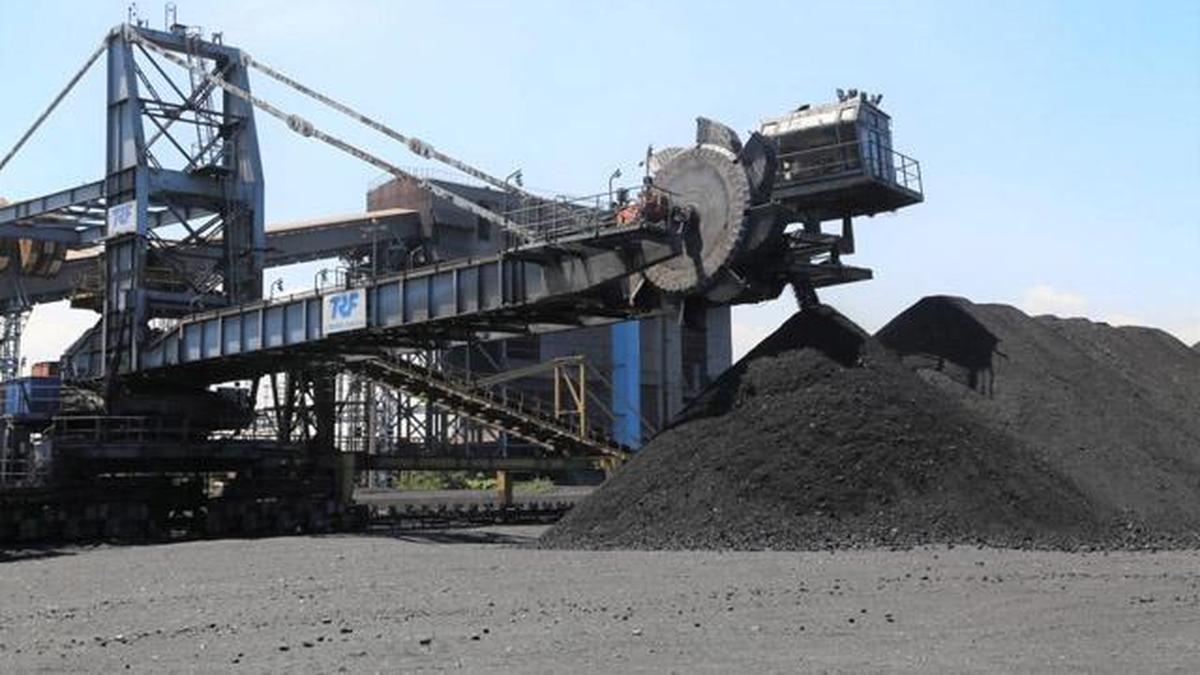
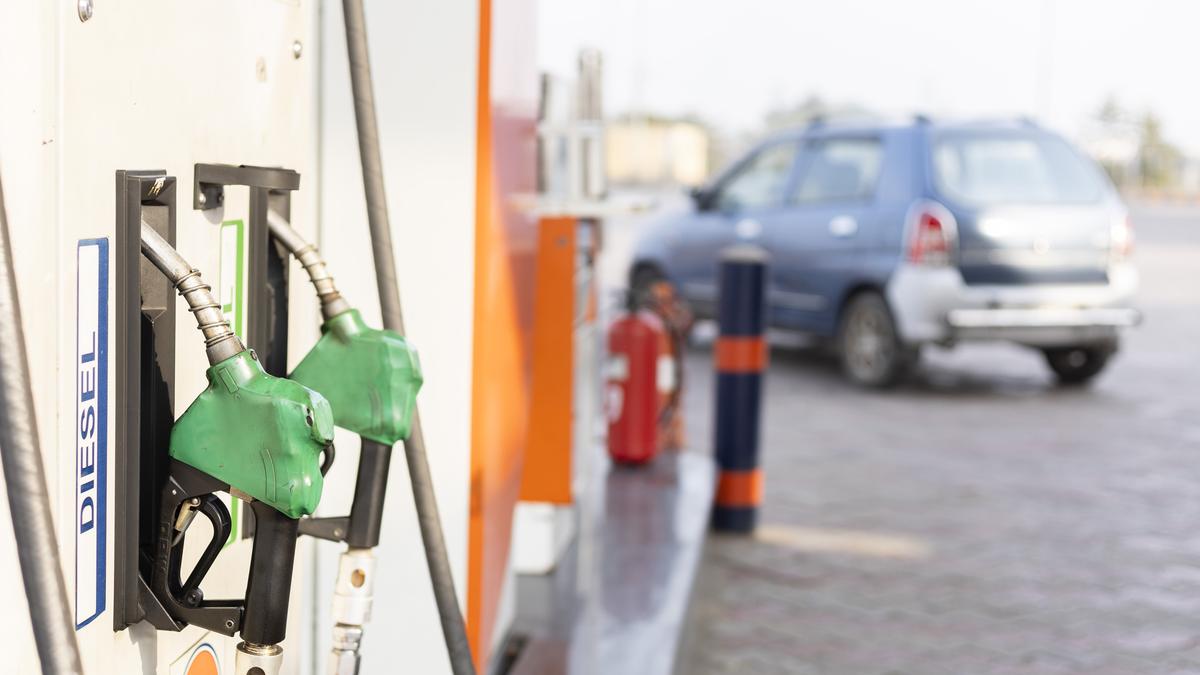
Energy is the backbone of any economy, powering manufacturing, transport, agriculture and services. India imports about 85% of its crude oil and over 50% of its gas, making it highly vulnerable to geopolitical shocks. Price spikes transmit quickly across sectors, raising input costs across manufacturing; increasing logistics expenses; and even pushing up consumer prices via diesel and fertilizer linkages. It is estimated that every $10 per barrel hike in crude prices can cause a $13-$14 billion rise in the import bill, 30-40 bps rise in consumer inflation (with complete pass through), and could even lower Gross Domestic Product (GDP) growth by 0.2-0.3 percentage points. Long-term energy security is, therefore, critical and must be anchored in diversification, domestic capacity, and technological transition.
Accelerating renewable energy is central to reducing import dependence on oil. India’s progress towards the target of 500 GW of non-fossil capacity by 2030 is noteworthy. However, resilience requires significant investments in RE storage to manage intermittency. The National Green Hydrogen Mission offers a pathway to decarbonise industries reliant on imported oil and gas.
Even as the country steps up renewable energy adoption, expanding domestic oil and gas exploration is necessary to ensure long-term energy resilience. Strengthening buffers by expanding strategic petroleum reserves can help the country withstand short-term supply disruptions. India has already started to diversify oil import sources, which is a positive step.
Securing food security
Even as India has emerged as a net exporter of several agri-commodities such as cereals and marine products, some of the most critical segments of the food value chain are deeply import-dependent. India’s high import dependence on edible oils, pulses and fertilizers is a key concern as any supply disruption can have direct consequences on inflation and rural livelihoods.
Pulses and oilseeds need assured procurement, price support, and region-specific crop diversification. Scaling and accelerating the existing missions on oilseeds can reduce the current import gap, where domestic output meets barely 44% of demand. The government must also work towards buffering and holding strategic reserves for edible oils and pulses to meet any contingency requirements. Fertilizer sector reforms must focus on the diversification of suppliers mix, enhancing the domestic production of phosphatic and potassic fertilizers, and the introduction of alternative bio-fertilizers that can be adopted at scale.
Supply chain risks in manufacturing (raw materials and intermediates) can also have a deep impact. India’s imports account for nearly 19% of GDP. Of this, raw materials make up 34%, intermediates 31%, and capital goods 24%. Consumer goods account for just 12%. India dominates downstream manufacturing but is exposed to imports in upstream and midstream inputs such as APIs, electronics, and industrial intermediates, amongst others.
The need for diversification
On the raw material front, copper, lithium, cobalt and other rare earth minerals remain globally concentrated, making India vulnerable given their centrality to electronics, electric mobility, and advanced manufacturing. On intermediates, India imports nearly 65-70% of its pharmaceutical intermediates from China despite being a global leader in generic drug exports. Likewise, with respect to electronic imports, India has a high dependence on semiconductors, display units, and components from East Asia. Limited domestic capability in high-end industrial machinery constrains India’s manufacturing competitiveness and reinforces reliance on external ecosystems. These are not easily substitutable inputs. When they are disrupted, production stops.
The first and most critical priority is thus deepening domestic manufacturing in intermediates. While current policy frameworks have largely incentivised final assembly, the next phase must target overall domestic ecosystems such as strengthening the manufacturing of APIs, and semiconductors. Diversification must also continue, with long-term supply agreements and strategic partnerships across regions, including in the markets of Africa and Latin America. Re-engineering of industrial processes can also help reduce import intensity. Encouraging industry to adopt direct conversion technologies, alternative materials, and input-efficient production methods will gradually lower structural vulnerability.
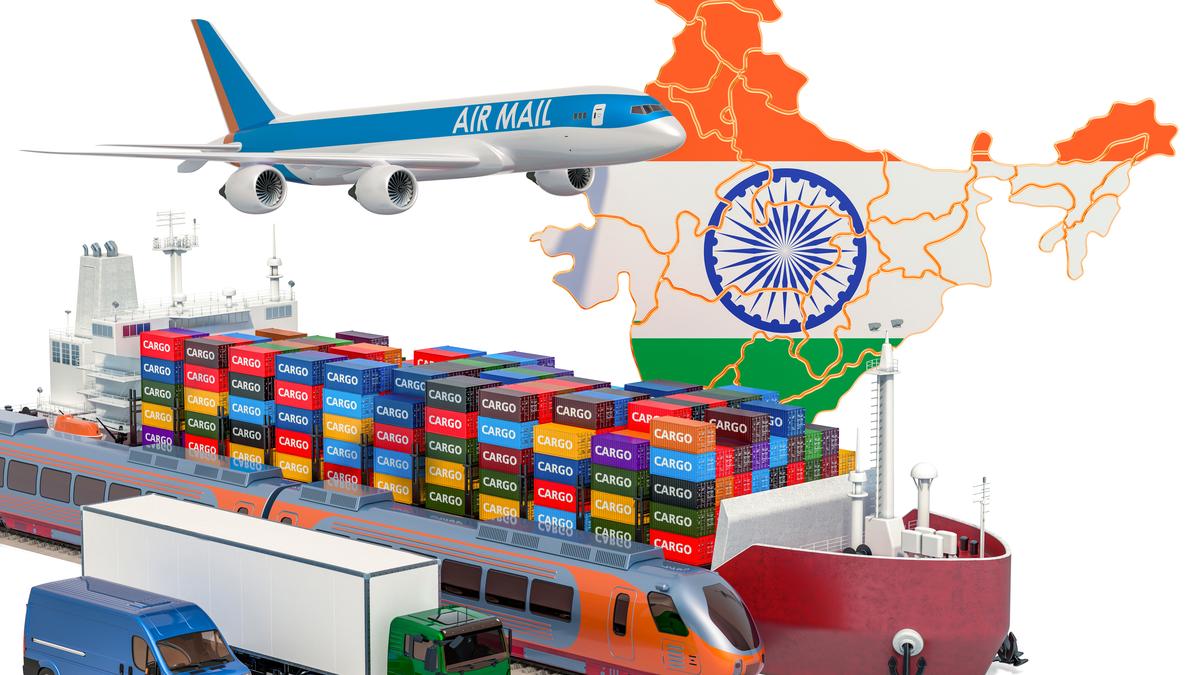
Supply chain resilience cannot be built through isolated interventions. It requires an integrated, forward-looking approach involving government, industry, and global partners.
Anant Goenka is President of the FICCI.
Published – March 30, 2026 01:23 am IST