Gold is entering a pivotal phase not merely as a haven asset but as a cornerstone of global financial rebalancing. We are witnessing the early signals of what I call the next global gold cycle, a period defined by surging demand, monetary realignment, and deep structural shifts in investment preferences. And among the many global players, India is uniquely positioned to lead this new era.
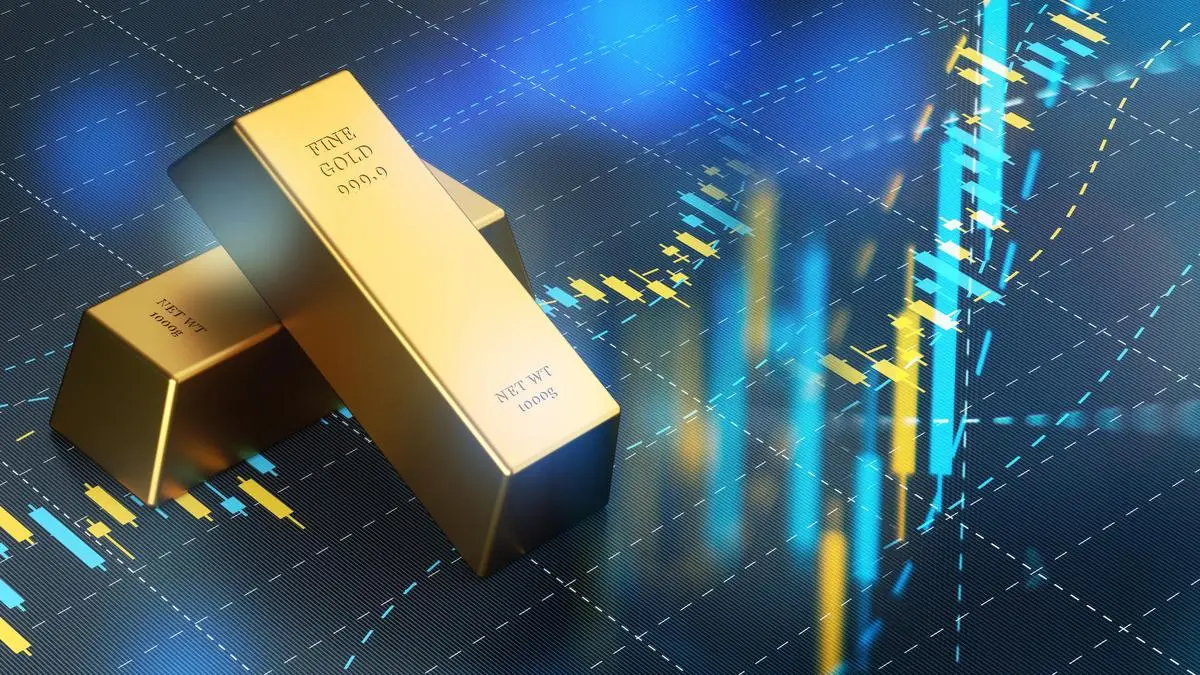
In just the first half of 2025, gold surged by over 22 per cent, reaching an all-time high of $3,500 per ounce in April before stabilising near $3,340/oz in early July. Analysts at HSBC and Metals Focus have revised their annual average gold price forecasts to approximately $3,215 per ounce, citing a range of macroeconomic tailwinds, from interest rate fluctuations to global debt concerns. More notably, central banks have continued their historic gold accumulation streak, purchasing over 1,000 tonnes for a fourth consecutive year. This is not just an inflation hedge it is a long-term strategic realignment, driven by the growing imperative of de-dollarisation.
Rooted in tradition
India’s relationship with gold has always been rooted in tradition, but in recent years, the nature of demand has evolved rapidly. Despite global price volatility, India remained one of the top consumers of gold, with demand ranging between 700 and 800 tonnes in 2025. However, high domestic prices crossing ₹94,000 per 10 gm and import bills nearing $50 billion annually have added new complexity. Jewellery consumption, once the dominant force in India’s gold market, has witnessed a slowdown, especially as consumers navigate economic pressures and shifting cultural trends.
What is rising in its place is investment-led demand. Gold ETFs and digital gold platforms have seen a significant uptick, especially in states like Gujarat, where AUM for gold ETFs rose by 27 per cent in just four months. Sovereign Gold Bonds, though paused for fresh issuance since 2024, have shown how structured investment products backed by government assurance and interest yield can serve as effective alternatives to physical gold hoarding. The momentum of this shift underlines a national behavioural change one where Indians increasingly view gold as a portfolio diversifier and a financial asset, not just an heirloom.
In parallel, India’s bullion infrastructure is rapidly modernising. The upcoming India Jewellery Park in Mumbai, spread over 21 acres and expected to generate over 100,000 jobs, will serve as a catalyst for local manufacturing and exports. Meanwhile, the proposed Jewellery Bourse in Jaipur is poised to become a gateway for organised trading and international participation. Enhanced regulatory oversight be it the mandatory BIS hallmarking or the transparent frameworks of India’s International Bullion Exchange (IIBX) is further cementing investor confidence.
Beyond domestic market
But India’s opportunity goes far beyond domestic markets. If nurtured properly, this moment can position India as a global hub for bullion trading, refining, and investment innovation. To unlock this potential, the country must adopt calibrated policy measures. Rationalising import duties could curb illegal inflows while improving access. Reintroducing Sovereign Gold Bond tranches and promoting gold ETFs through institutional channels like life insurance and pension funds would bring long-term capital into formal systems. These are not radical changes they are pragmatic adjustments that align with both macroeconomic and investor interests.
Gold today is no longer just a cultural artefact; it is a strategic financial instrument. With geopolitical uncertainty at a high, central bank confidence in fiat currencies wavering, and inflation protection becoming a renewed priority, gold is gaining ground as a neutral store of value. Several analysts now forecast a new floor of $3,000 per ounce for gold in this cycle, with the possibility of reaching $4,000 in highly bullish scenarios. India has the consumer base, the institutional maturity, and the global recognition to ride this wave not as a passive participant, but as a leader.
We must think beyond preserving tradition and work towards shaping the future. India can and must lead the next global gold cycle, not just as the largest buyer, but as a trusted producer, trader, and innovator in the global bullion market.
Let us embrace this opportunity with strategic clarity, market vision, and national confidence. The world is looking at gold anew. It is time for India to shine.
The author is Vice President, India Bullion and Jewellers Association (IBJA) & Executive Chairperson, Aspect Global Ventures
Published on July 13, 2025