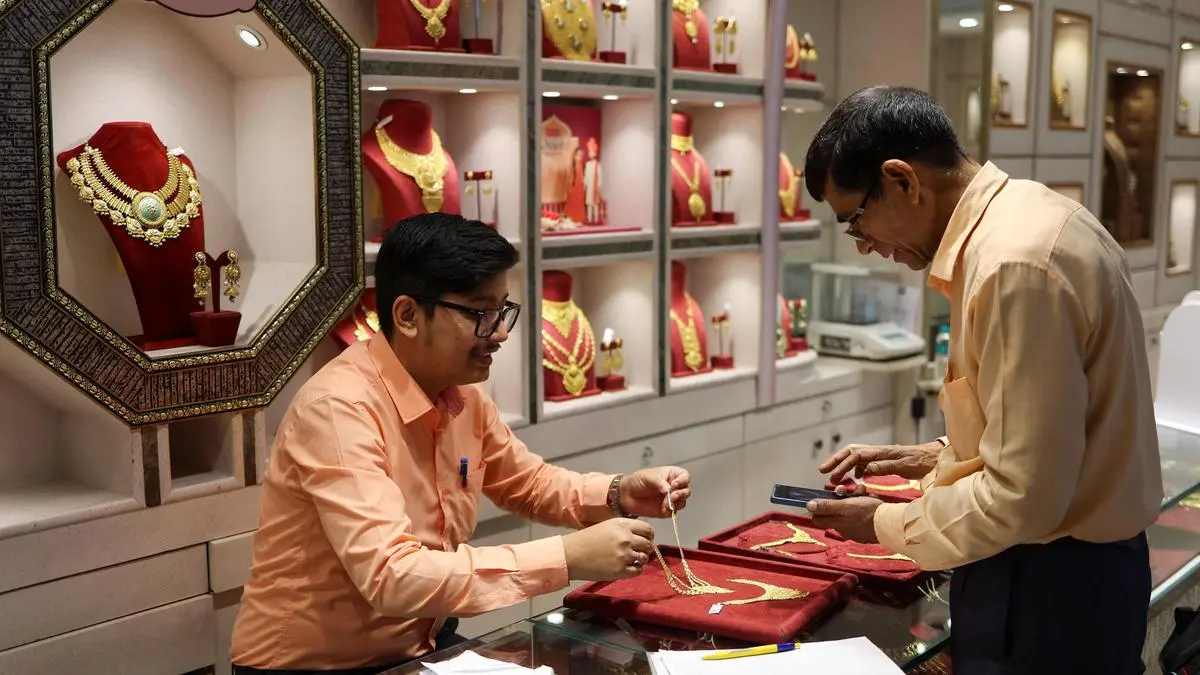

The Survey attributed the dazzling run of gold to investors reducing their exposure to the dollar in view of the uncertainty over global policies
| Photo Credit:
SAHIBA CHAWDHARY
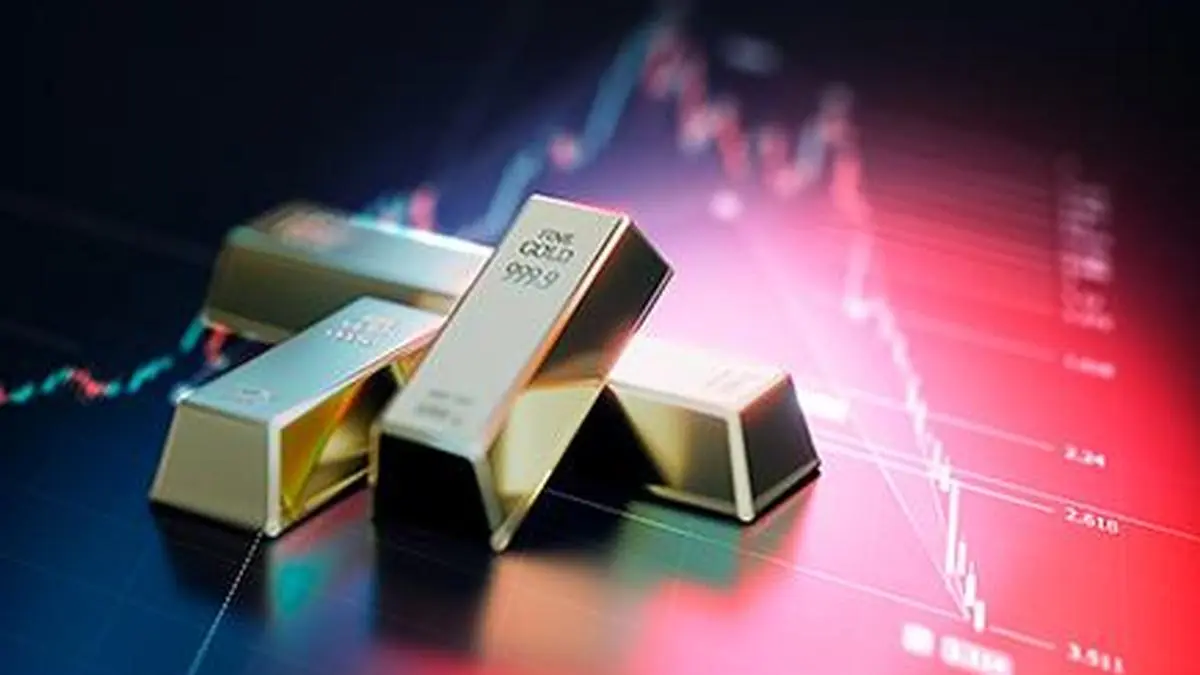
Taking note of the unabated rally in gold and silver, the Economic Survey has said their prices are likely to continue increasing due to their sustained demand as safe-haven investments amid global uncertainties.
It will likely continue unless a durable peace is established and trade wars are resolved, it said.
Pointing out that some commentators feel that the torrid pace set by gold and silver in 2025 may not be sustained, it said if they are proved right, core inflation excluding precious metals may be higher,not lower.
“In conclusion, India’s inflation rate – headline and core excluding precious metals – will likely be higher in FY27 than in FY26. However, we believe it is unlikely to be a concern,” it said.
The survey’s comments come in the wake of gold surging to ₹1.75 lakh per 10 gm and silver to ₹3.79 a kg in the Mumbai market. In the futures market, silver has already topped ₹4 lakh a kg and gold over ₹1.9 lakh.
Sustained demand
Sustained demand for gold, even during periods of elevated global gold prices, further pressures the trade balance. In the previous fiscal, India’s import composition continued to be dominated by petroleum crude, gold and petroleum products, with these sectors accounting for over one-third of total imports.
“…gold imports increased by 27.4 per cent (YoY). The increase in gold imports may be attributed to a rise in gold prices, increasing by 38.2 per cent (YoY) and driven by strong domestic consumption,” said the survey.
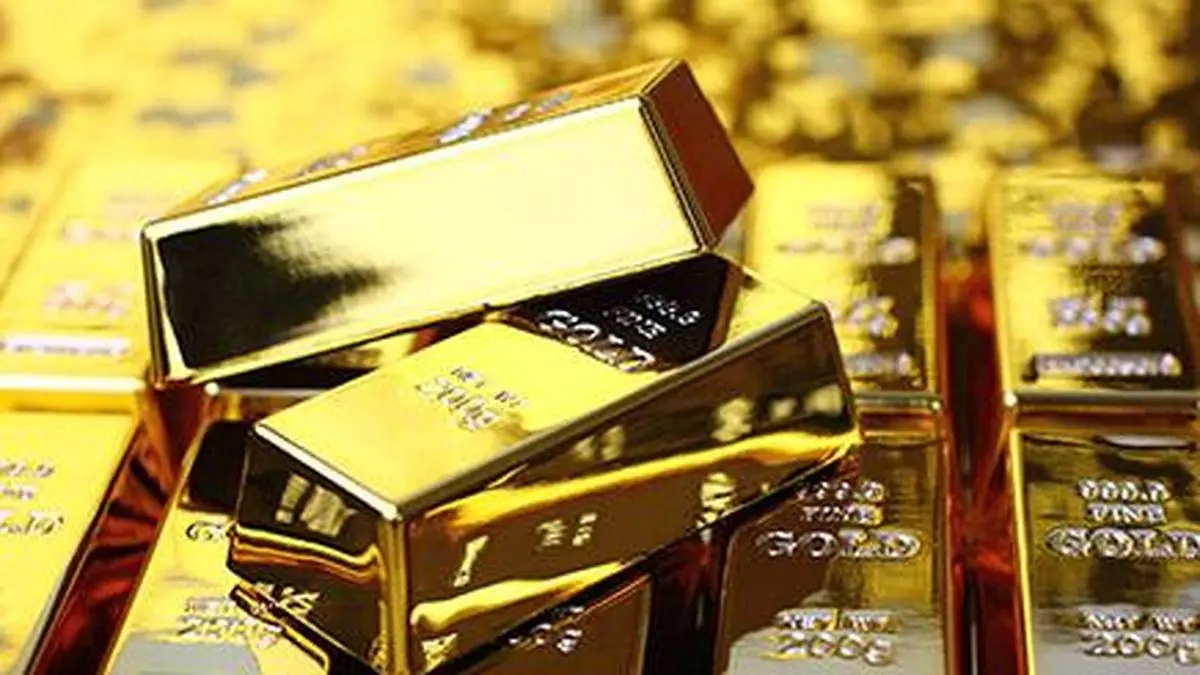
The Survey attributed the dazzling run of gold to investors reducing their exposure to the dollar in view of the uncertainty over global policies, particularly due to the trade war between the US and other countries.
A fallout of the rise in prices of precious metals has been a substantial rise in loans offered against gold jewellery. The loans against gold jewellery more than doubled to 125.3 per cent, in view of the rise in the yellow metal’s prices.
WGC outlook
Regulatory measures such as revised guidelines on voluntary pledge of gold and silver jewellery as collateral for small business loans have helped in improving credit flow to the MSME segment.
This is also reflected in the World Gold Council’s 2026 outlook in which it said that Indian consumers had pledged over 200 tonnes of gold jewellery through the formal sector in 2025 alone.
“Anecdotal evidence suggests there is almost as much gold backing loans from the informal sector,” it said. The council said any setback to the Indian economy could lead to large-scale liquidation of the precious metal offered as collateral.
Justifying RBI buys?
The Survey said the gold component in foreign currency assets of the country increased to $117.5 billion as of January 16, 2026, compared with $78.2 billion at the end of March 2025.
“This increase reflects both valuation gains during a period of elevated global gold prices and a continued preference among central banks for diversifying into non-dollar reserve assets,” it said.
Probably justifying RBI’s gold purchases, the survey said the growing share of the yellow metal in reserves aligned with a broader international pattern where many emerging markets have increased gold holdings amid geopolitical uncertainty and shifts in the global interest-rate cycle.
Published on January 29, 2026