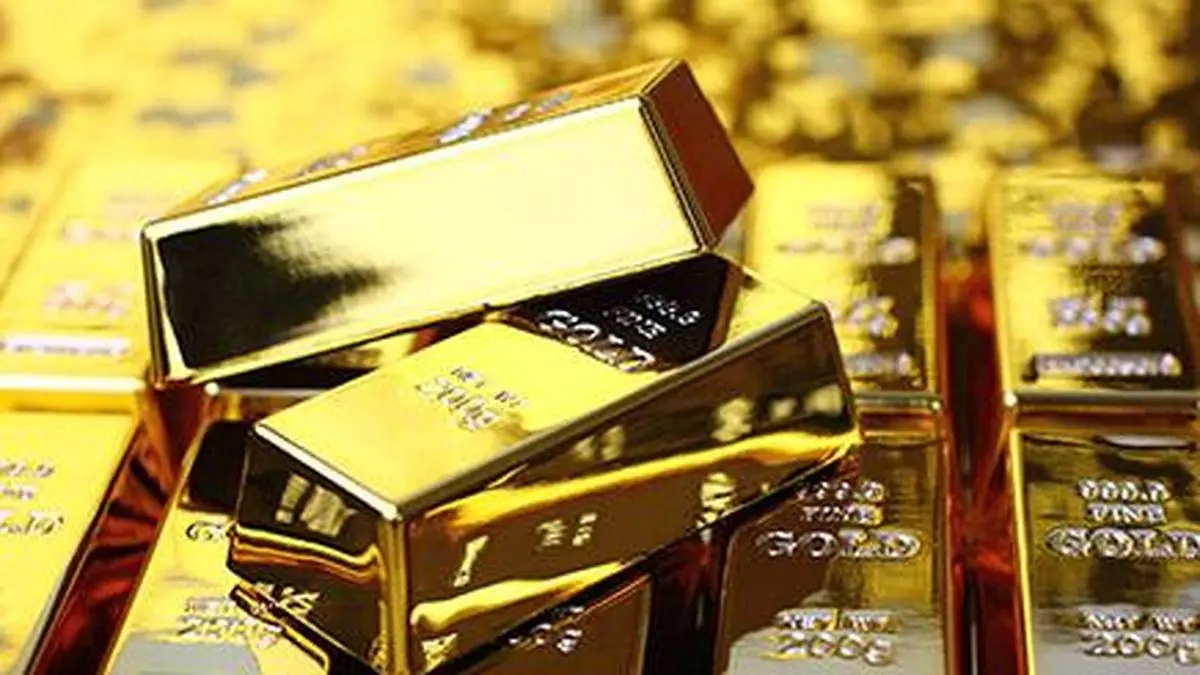

Central bank gold demand is set to stay strong as nations use it to hedge against de-dollarisation and geopolitical risks, underlining its enduring safe-haven appeal.
| Photo Credit:
iStockphoto
Gold’s role as a hedge
against dedollarisation and geopolitical risk is expected to
spur central banks who have been absent from the market to buy
the precious metal this year, a World Gold Council (WGC)
executive said on Tuesday.
In recent months, central banks from Guatemala, Indonesia
and Malaysia have all bought gold, either following a long
hiatus or for the first time ever, Shaokai Fan, global head of
world banks for the WGC said on Tuesday.
“A phenomenon we’ve been seeing in the last few months is
new central banks, or central banks that have been inactive or
absent from the gold market for a long time, entering the gold
market,” he said.
“I think that might be a trend that will continue into
2026,” he said.
Some central banks are also buying gold from small-scale
domestic producers to support the local industry and to stop
those gold sales going to “bad actors”, Fan added without
elaborating.
This month, gold prices have plunged by more than a $1,000
per troy ounce to last trade around $4,340, and historical
trends suggest it’s partly due to margin call-related selling,
Fan told Reuters on the sidelines of Minerals Week in Canberra.
The record peak for gold was just shy of $5,600 in late
January.
During a gold selloff in October, central banks stocked up on
the metal, but it’s too early to see if the same phenomenon has
occurred with this month’s rout, Fan said.
Central bank demand for gold may decline because higher
prices not only deter new buying but also increase the weight of
existing gold holdings relative to total reserves, he added.
The WGC expects record gold prices to slow purchases by
central banks to 850 metric tons this year from 863 tons in
2025, even though their buying remains elevated when compared to
the pre-2022 level, the industry group said in January.
According to WGC figures, central bank buying accounted for
some 17% of total demand last year.
Published on March 24, 2026