The president’s address to both Houses flags off the Parliament’s budget session. The government may move to pass the Bankruptcy Code (Amendments) Bill to reform the debt resolution framework, said one of the three persons quoted above. The bill has already been reviewed by a select committee of the Lok Sabha.
The government is also expected to introduce the Motor Vehicles Amendment Bill 2026, proposing more than 60 amendments to the Motor Vehicle Act, 1988 aimed at ensuring stricter safety norms, digital reforms, decriminalization of minor offences, simplified definitions, emission regulations, and harmonization with global standards.
Plans are also afoot for the Seed Bill, 2026, a second person said. The bill seeks to replace the Seeds Act, 1966 and the Seeds (Control) Order, 1983, aligning them with current agricultural practices, technological developments and the growing complexity of seed markets.
Information available from Lok Sabha Secretariat showed that a joint parliamentary committee is expected to table in the House its report on the Viksit Bharat Shiksha Adhishthan Bill, 2025 meant to overhaul higher education. Another select committee of the Parliament will give its report on the Jan Vishwas (Amendment of Provisions) Bill, 2025 meant to decriminalize a range of offences across sectors. The government is expected to consider these reports for possible modifications to the Bills in the second part of the session after the recess.
PRS Legislative Research, a think tank that researches on Parliament’s work, said in a note that during the winter session between 1 December and 19 December, seven bills were passed and two—the Securities Markets Code and the Viksit Bharat Shiksha Adhishthan Bill were introduced. In Lok Sabha, seven Bills introduced earlier are pending, while as many as 19 are pending in Rajya Sabha.
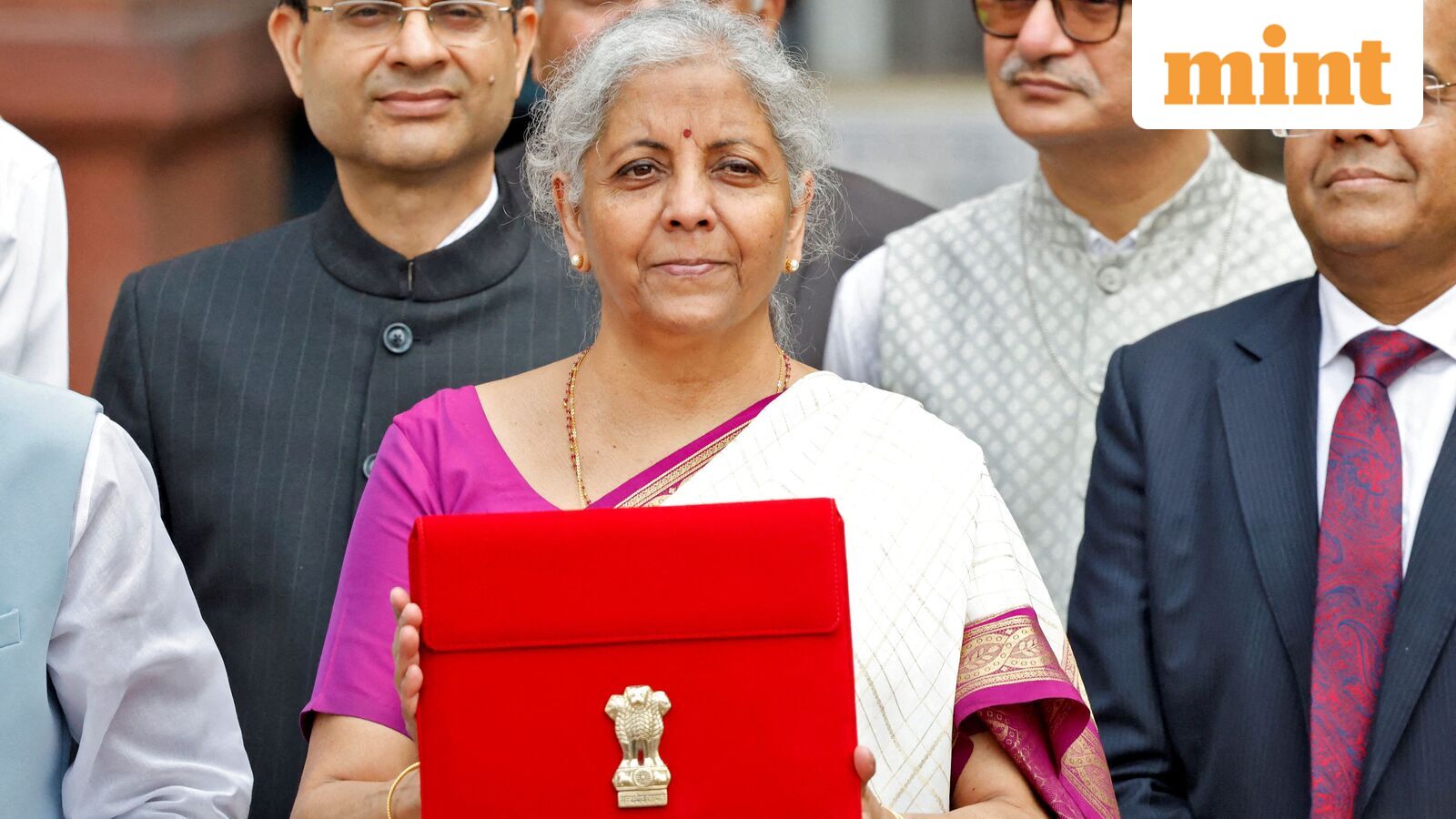
The most important bill, of course, is the Finance Bill, 2026, that will set the income tax rates for the year. It is also expected to reform the customs duty structure and legislate the GST Council’s decisions on quicker tax refunds. Experts said businesses are looking forward to tax reforms as well as tax incentives.
“A major expectation is the overhaul of the dispute resolution mechanism under direct tax laws, including the introduction of mandatory timelines for the disposal of appeals,” said Sunil Badala, partner and national head of tax, KPMG in India. Also, revisions to the Safe Harbour Rules for multinational corporations under the Income tax framework and enhancements to the GST invoice management system are among the key items that stakeholders expect from Budget 2026, said Badala.
The new seed bill aims to curb the sale of poor-quality, fake, and unauthorized seeds. It also aims to ensure high-quality, certified seeds for farmers, strengthening enforcement against substandard inputs and promoting climate-resilient varieties. The new law will also ensure full traceability, so farmers can know where the seeds came from and who supplied them. The move comes amid rising concerns over economic losses due to sub-standard seeds.
The amended motor vehicles law will introduce stricter safety norms and digital reforms, decriminalize minor offences, simplify definitions, clarify emission regulations, and harmonize Indian legislation with global standards.
According to the road ministry, the amendments are necessary to create a safer and more efficient transport system, address the rising number of road fatalities, update outdated regulations, improve the insurance framework, promote digitalization for easier compliance, curb alleged corruption through streamlined processes, and regulate new-age players such as cab aggregators.
Some of the changes to be proposed in the bill include introduction of vehicle-to-vehicle communication systems, mandatory installation of Advanced Driver Assistance Systems (Adas), enhanced crash testing, seatbelt reminders and child safety measures. Moreover, minor offences such as failure to carry documents will attract only civil penalties rather than be treated as criminal offences; however, serious violations will attract heavier fines and possible licence suspension.
Queries emailed on Tuesday to the ministries of finance, agriculture and road transport, as well as the Prime Minister’s Office and the Lok Sabha Secretary General remained unanswered.