The government has proposed to establish a second National Institute of Mental Health and Neuro Sciences (Nimhans) to help more people access therapists.
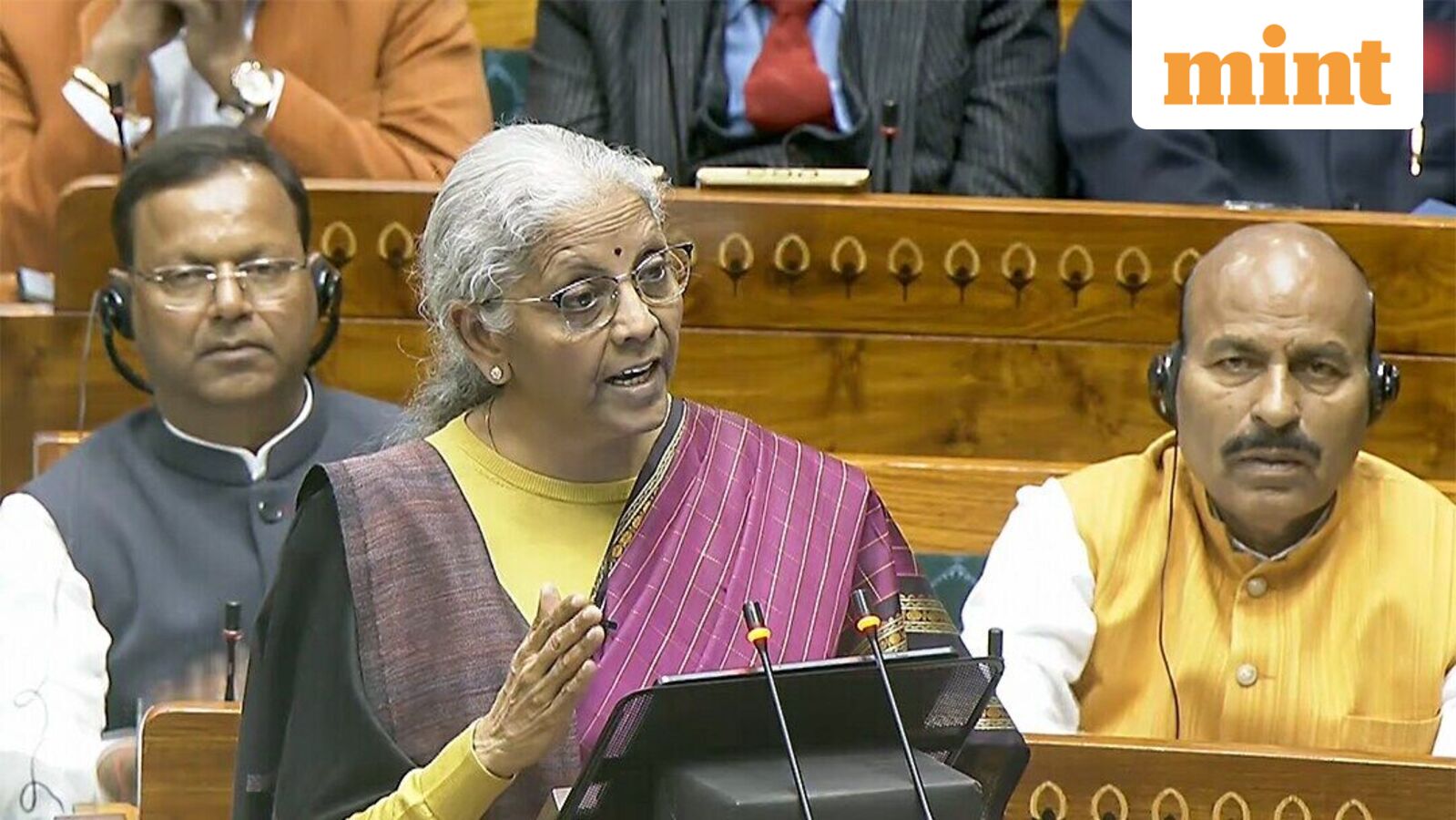
“There are no national institutes for mental healthcare in North India. We will therefore set up a Nimhans-2 and also upgrade National Mental Health Institutes in Ranchi and Tezpur as Regional Apex Institutions,” the finance minister said. The first Nimhans is based out of Bengaluru and is known for its expertise in treating mental, neurological, and neurosurgical conditions.
By scaling the expertise of Nimhans, the government aims to meet the rising national demand for mental health support and neurological research. “Empowering the vulnerable to access mental health and trauma care is also on the anvil,” said finance minister Nirmala Sitharaman in her budget speech.
India’s mental health crisis has escalated into a “silent epidemic”, particularly among the youth. According to the Economic Survey 2025-26 released on Thursday, digital addiction—driven by social media and gaming—is a primary trigger, with nearly 38% of young people showing depressive symptoms.
Beyond the social toll, the World Health Organization (WHO) highlights a staggering economic impact: mental health conditions are projected to cost India $1.03 trillion in economic losses between 2012 and 2030. This is reflected in the high “disability burden” on the population and a suicide rate of 21.1 per 100,000 people. With only 0.75 psychiatrists per 100,000 citizens, the gap between those needing help and available care remains a critical barrier to national well-being.
Samir Parikh, chairperson at Fortis National Mental Health Programme, said, “Mental health has too long remained at the margins of public discourse, despite its profound influence on productivity, families, and the social fabric of our nation.”
Establishing an institute in the northern belt will ease the travel burden on those seeking help. “For a patient in north or northeast India, travelling thousands of kilometres to Bengaluru creates a caregiver burnout cycle and financial anxiety,” said psychologist Aanchal Anand.
Growing risk
The Economic Survey also flagged rising vulnerabilities among migrant and gig workers as risks to labour productivity. It noted that many migrants who move to urban hubs face loneliness and social isolation despite financial gains. This negatively affects their mental well-being and productivity at work and can lead to early attrition, increasing the costs for employers, it said.
According to Prabha Chandra, senior professor of psychiatry at Nimhans, while this may be the first time the budget has put emphasis on mental health, there are countries that have been regularly expanding their investments in mental health.
“There is loneliness in the workplace, amongst students and it directly impacts productivity. Many health concerns like hypertension can also be linked to it. It now depends how the government plans to implement the efforts in smaller towns and villages where the access to therapists is less,” said Chandra.
Pooja Jain, chief executive officer and senior psychotherapist, SafeStories in Pune, said more needs to be done.
“We need promotion and prevention-based programs, campaigns and systems at the grassroots. Our understanding of mental health either is limited at research or setting up a clinical set-up like Nimhans,” said Jain. “We need policies and strict monitoring at colleges, schools and workplaces. Most workplaces don’t talk about mental health, signs of burnout and often discriminate against people with mental health concerns.”
The government’s focus on mental health and the proposal to establish a ‘NIMHANS-2’ is a commendable move. NIMHANS and AIIMS Delhi like institutions have a unique institutional work culture characterised by trinity of mission focused on patient care , research and ethics. However, our primary focus need to be more towards prevention of mental health disorder focusing on early detection and intervention, ensuring that mental health support is accessible enough so that no individual reaches the point of requiring hospitalization,” said (Prof) Dr. Nand Kumar of Psychiatry at AIIMS Delhi. Further we must focus on betterment of mental health and Suicide prevention, he said.