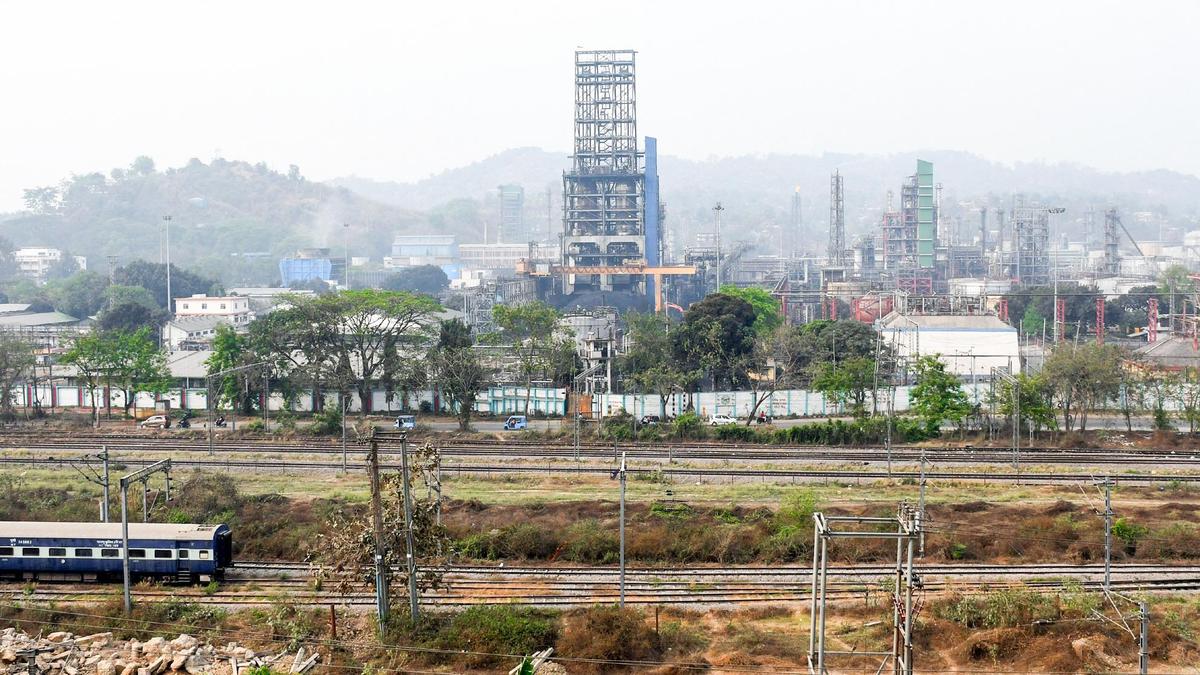
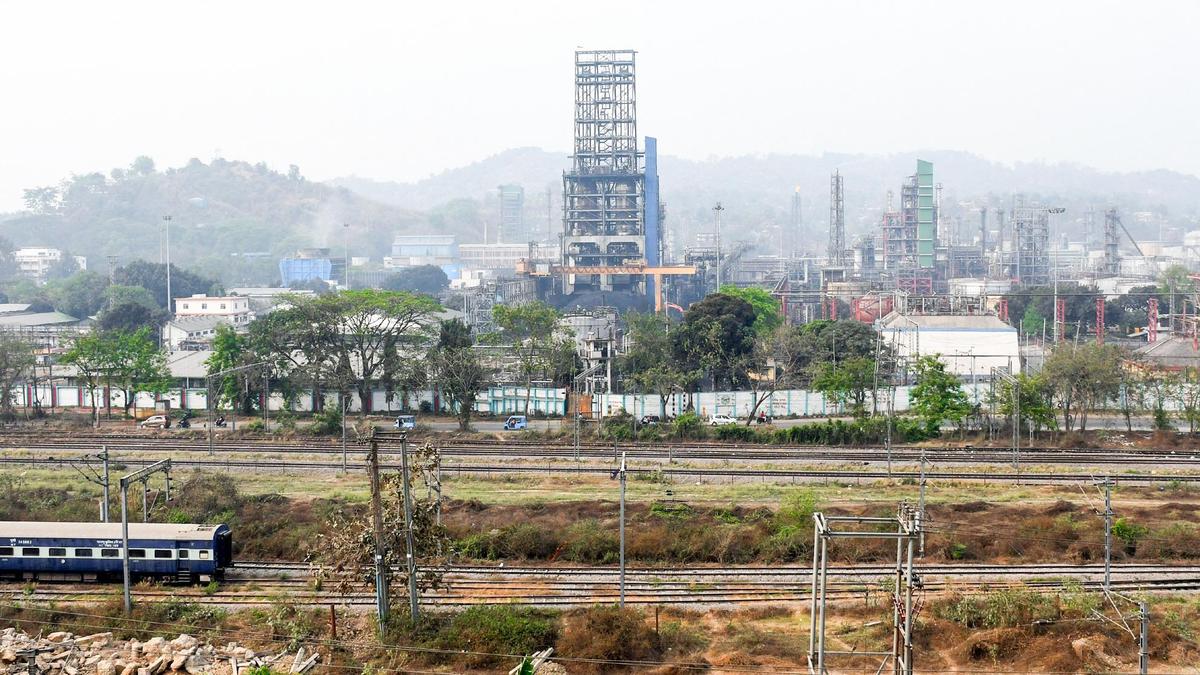
A view of the Indian Oil Corporation refinery at Noonmati, in Guwahati. File.
| Photo Credit: ANI
The Ministry of Petroleum and Natural Gas has ordered oil and gas companies to share details on exports, imports and inventories with a government agency, as India seeks to shield consumers from shortages amid rising global prices triggered by the U.S.-Israeli war on Iran. India has designated the Petroleum Planning and Analysis Cell (PPAC) to collect and analyse the information, according to a government order issued late on Wednesday (March 18, 2026).
The companies must share information regardless of any “contract, agreement, commercial arrangement or confidentiality obligation,” the order said, adding no entity can refuse to share details by claiming it is “commercially sensitive or proprietary”.
India has been hit hard by the jump in crude prices and disruption in oil and gas supplies, but unlike China it has not moved to ban exports of refined fuel.
Any move to curtail fuel exports by India will hit Reliance Industries, the operator of the world’s biggest refining complex, as other refiners have largely stopped exporting fuels.
All companies involved in the oil and gas supply chain including oil producers, importers, refiners, fuel and gas retailers, liquefied natural gas importers, pipeline operators, and petrochemical plants were ordered to provide PPAC with data.
India, the world’s fourth-largest refiner and third-biggest oil importer and consumer, meets over 90% of its oil needs through purchases from overseas.
So far Centre has maintained that the country has adequate crude supplies and refined fuel stocks to meet local fuel demand.
However, the world’s second-largest LPG importer is facing its worst cooking gas crisis in decades with shipments from the Strait of Hormuz almost halted due to the war.
India was sourcing more than 40% of its crude imports and 90% of its liquefied petroleum gas imports from West Asia
Indian refiners have bought millions of barrels of Russian oil floating on the high seas after Washington granted a sanctions waiver.
India has invoked emergency powers ordering refiners to maximise production of LPG and cut sales to industry to avoid a shortage for its 333 million homes with LPG connections.
India last week asked consumers to avoid panic buying of LPG cylinders and shift to piped natural gas where possible.
Published – March 19, 2026 04:34 am IST