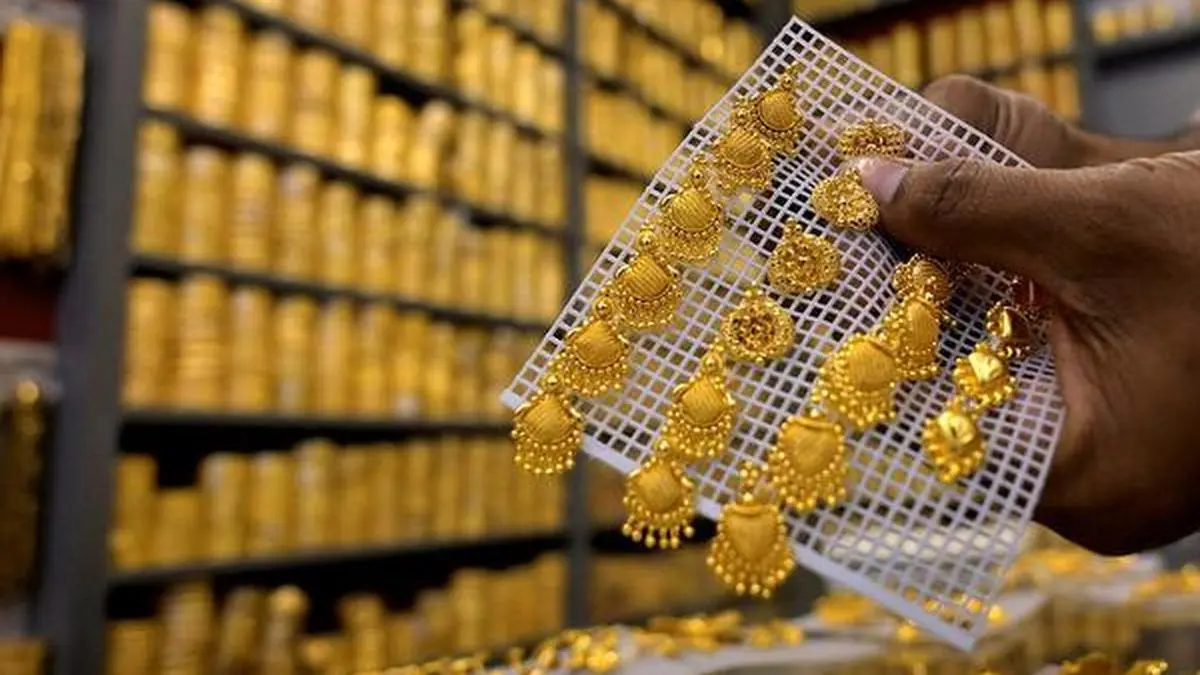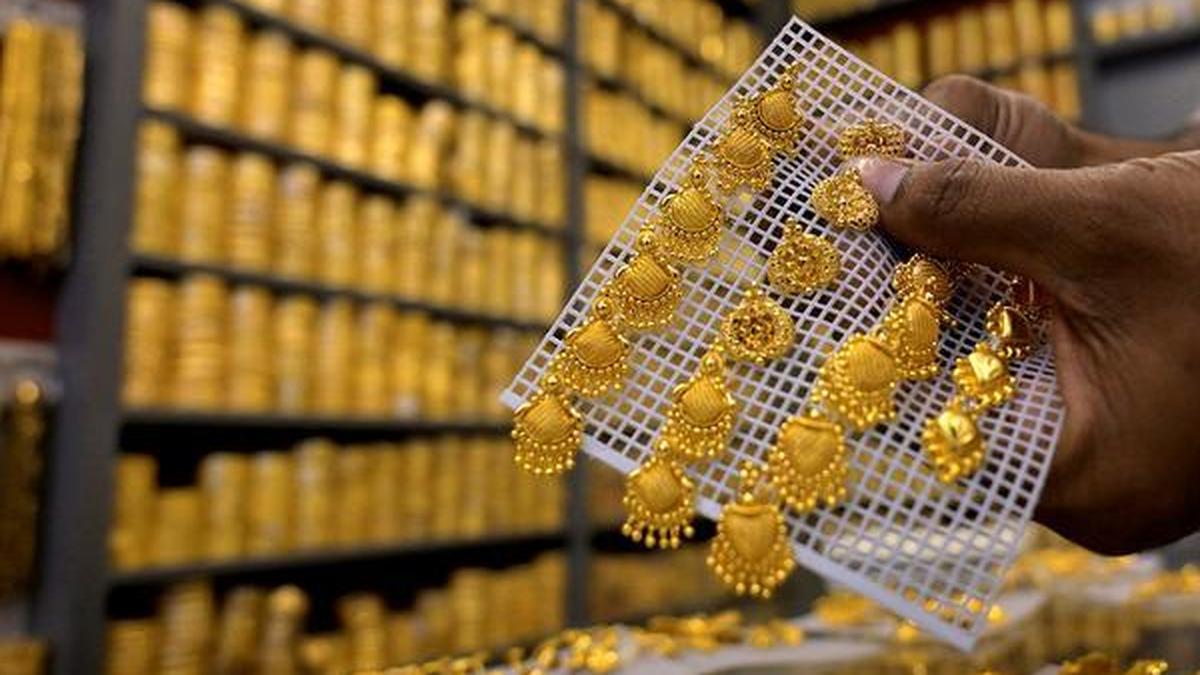
The growing trade deficit of India, which recently touched $34.68 billion due to a sharp increase in gold imports, has again brought an old challenge into focus. While monthly trade data often triggers reactive policy debate, the issue lies not in the import surge but in the structure of consumption, savings, and exports in India.
Gold has always held a special place in the Indian economy and culture. During global uncertainty, currency volatility, or domestic inflation, gold imports tend to rise. It reflects risk perception and the absence of an equally trusted financial instrument.
The macroeconomic implications are significant. India imports almost all of its gold demand, so rising prices or domestic demand sharply increase the import bill. Since gold does not contribute to production capacity or exports, it puts pressure on the current account without generating foreign exchange inflows, widening the trade deficit and affecting the rupee.
Reactive policy interventions
Historically, policy interventions have largely been reactive, such as changes in import duties or stricter norms. While these measures may temporarily manage imports, they do not address the underlying drivers of demand and can sometimes create market distortions.
The question is why gold continues to be so prominent as a savings vehicle. The answer lies in deficiencies of the Indian financial system.
A chunk of savings is channeled into assets such as gold and property, and not into financial assets. This is largely due to concerns about inflation, equity market volatility, lack of financial literacy, and trust in savings instruments
If India wants to mitigate the structural drag of gold imports, it must begin by influencing household investment choices. Greater financial inclusion beyond basic banking access is essential. Increasing awareness of inflation-protected savings instruments, sovereign gold bonds, diversified mutual funds, and long-term retirement products can gradually shift savings behavior. Financial literacy should be treated as an economic priority.
Balacing imports, exports
It is important to strengthen domestic manufacturing and export competitiveness to counter import pressures. Gold imports may fluctuate, but a strong export base in sectors such as electronics, pharma, services, and manufacturing can help balance the equation. Trade deficits are not necessarily a concern if accompanied by capital inflows and productivity gains; they become problematic when driven by consumption imports without a strong export sector.
A stable policy environment is essential for investors, both domestic and foreign. Rather than periodic duty changes, a long-term agenda could include gold monetisation, recycling, jewellery sector formalisation, and digital tracking. Such clarity minimises leakages without sacrificing efficiency. The rise in exports to countries like the United States highlights diversification. India’s trade policy should focus not only on increasing quantities but also on enhancing value addition and moving up the global value chain, improving the current account structurally.
India’s trade story must move beyond monthly deficit numbers. A growing economy with rising incomes will see imports increase across energy, technology, capital goods, and gold. The challenge is not reducing demand but improving capabilities and financial awareness.
Need for structural change
Gold is not the problem; it reflects consumer behaviour, inflationary expectations, and limited financial maturity. Addressing this requires structural changes, stronger institutions, deeper capital markets, export competitiveness, and a stable policy environment.
Reactive measures might provide a quick fix to the markets. Structural changes, on the other hand, build resilience. For India to be able to effectively manage its trade deficit in a rapidly volatile global economy, the transition from short-term management to long-term change is not optional; it is imperative.
(The author is Vice President, India Bullion & Jewellers Association (IBJA) and Executive Chairperson, Aspect Global Ventures)
Published on March 14, 2026