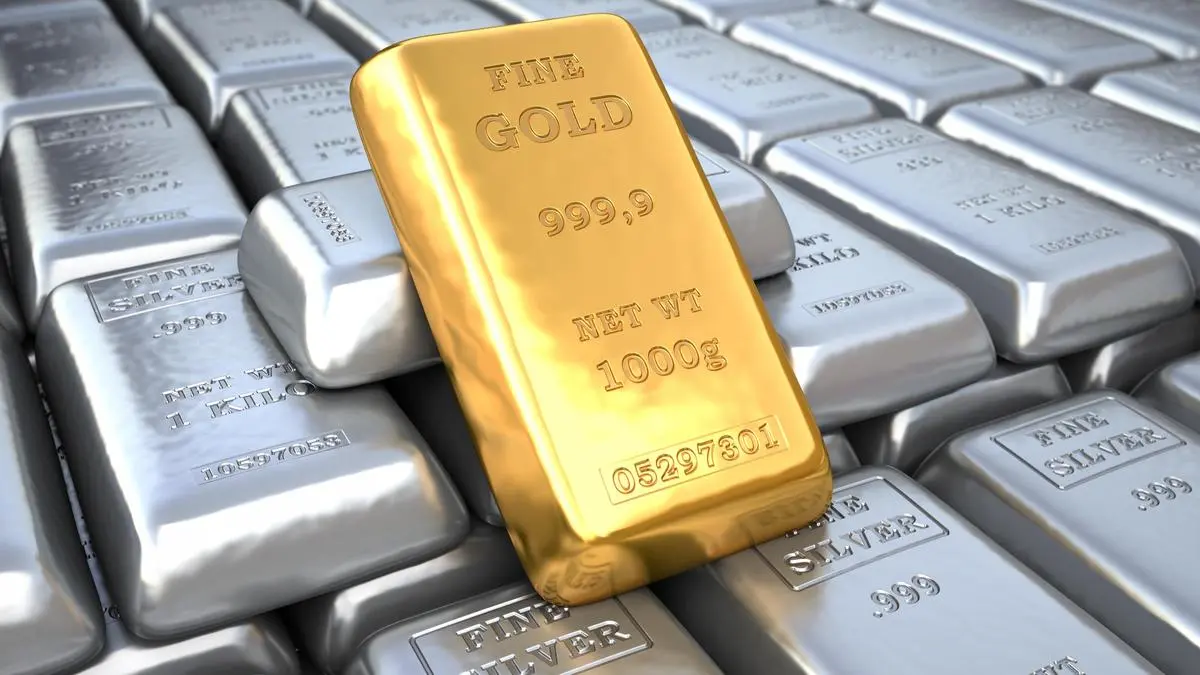
Gold fell after two days of gains, as investors took profits in a choppy market that’s still trying to find a floor following a historic rout.
Bullion dropped as much as 1.4% in early trading, dipping briefly below $5,000 an ounce, before paring some losses. The metal has declined about 10% since hitting its all-time peak on Jan. 29, but is still firmly higher this year.
Precious metals plummeted at the end of January, when a record-setting surge fueled by speculative trading caused markets to overheat. However, many of the factors that had underpinned a multiyear rally – heightened geopolitical risks, elevated central-bank buying and investor flight from sovereign bonds and currencies – remain in play.
Many banks and asset managers, including Deutsche Bank AG and Goldman Sachs Group Inc., have backed bullion to recover due to these long-term demand drivers. Underscoring resilient official demand, the Chinese central bank extended its gold buying to a 15th month in January.
Looking ahead, economic data due later this week will offer clues on Federal Reserve policy after President Donald Trump nominated Kevin Warsh to become the next head of the US central bank. The January jobs report due Wednesday is expected to show signs of the labor market stabilizing, and inflation data is scheduled for Friday.
Spot gold declined 0.5% to $5,032.53 an ounce as of 8:00 a.m. in Singapore. Silver fell 1.8% to $81.92. Platinum and palladium also traded lower. The Bloomberg Dollar Spot Index, a gauge of the US currency, rose 0.1% after ending the previous session down 0.6%.
More stories like this are available on bloomberg.com
Published on February 10, 2026