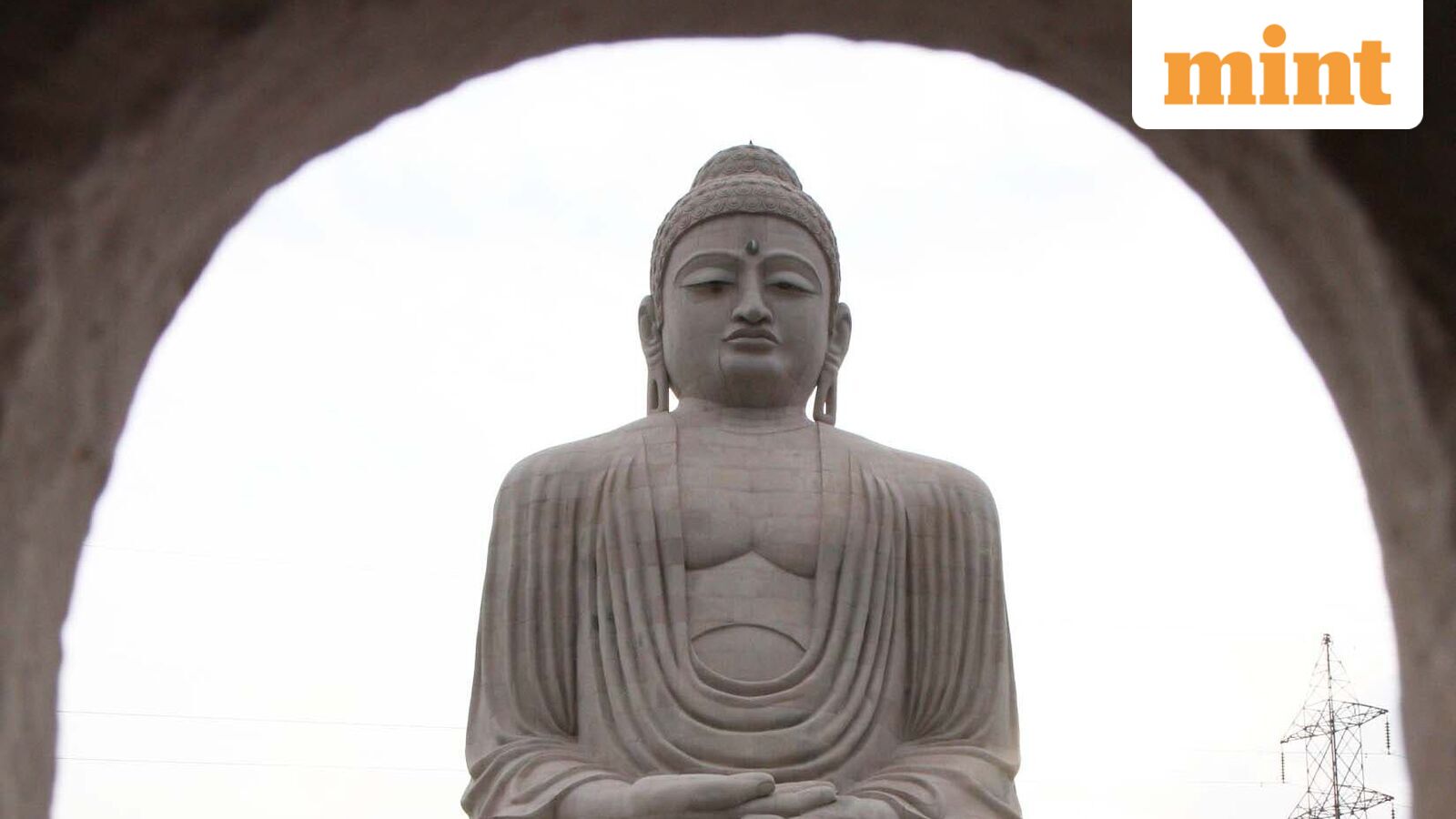
MUMBAI: Trekking trails in the Himalayas and the Ghats, archaeological sites such as the Indus Valley Civilisation excavations in Gujarat and Haryana, and Buddhist sites in the northeastern states are among the schemes that the government has proposed to promote thematic tourism.
These projects will be developed under existing schemes of the ministry of tourism including the Swadesh Darshan, which is aimed at developing sustainable and responsible tourism destinations. However, the government’s allocation to the Swadesh Darshan scheme has been barely changed at ₹1,905 crore for FY27, according to the Budget 2026 documents presented on Sunday.
“Excavated landscapes will be opened to the public through curated walkways,” finance minister NIrmala Sitharaman said in her speech proposing the development of 15 archaeological sites for tourism, including Lothal and Dholavira, Sarnath in Uttar Pradesh, and Leh Palace in Ladakh. “Immersive storytelling skills and technologies will be introduced to help conservation labs, interpretation centres, and guides.”
The minister also proposed a hybrid pilot scheme to train and upskill 10,000 guides in the 20 top tourist destinations in the country.
In FY26, the Swadesh Darshan scheme had a total outlay of ₹1,900 crore, of which only ₹517 crore was utilised so far, the budget documents showed. Under the scheme, the tourism ministry completed 75 of the 76 projects it had sanctioned with an outlay of ₹5,290.33 crore, the government said in a statement in December. In total, the budget allocation for the tourism ministry has fallen 4% to ₹2,438.40 crore for FY27.
India’s tourism sector has been boosted by religious pilgrimages and spiritual tourism as Indians travel with a vengeance both at home and overseas.
Large congregations
“Religious tourism accounts for almost two-thirds of domestic tourists and is a very significant contributor to the growth of the overall travel and tourism sector,” Anand Ramanathan, partner and consumer industry leader at consulting firm Deloitte, told Mint. “A lot more needs to be done to make this sector world class from a tourist experience standpoint including scaling of the transport, infrastructure, availability of shared facilities, accommodation capacity and tourist information access.”
The risk emanating from large congregations will also require better crowd management, disaster recovery and high investments in preparedness of the ecosystem to benefit from the opportunities presented by religious tourism, he added.
The tourism sector is expected to double to ₹42 trillion by 2035 and generate 64 million jobs, Mint reported in June last year. Much of this growth will come from domestic travel, although international tourist arrivals and spending are growing in India too. India received 20.57 million international tourists in 2024, up almost 9% year on year.
“The finance minister clearly identified that people are moving away from sightseeing and looking for heritage-based storytelling,” said Bharat Gothoskar, the founder of Mumbai-based Khaki Tours, which specializes in heritage walking tours.
However, India still lags its Asian peers in developing world-class thematic tourist circuits.
“Many countries have done a wonderful job in Asia over the last 10-15 years, including Vietnam and Uzbekistan,” Gothoskar said. “These countries did not dominate international tourism, but their government has incentivized all this. These initiatives require getting the right infrastructure in place and the right kind of training programmes. So it’s a very welcome step by the finance minister to have more people engaged in this. We need to have more people as certified guides.”
Archaeological sites
While archaeological sites such as Dholavira and Rakhigarhi are open to the public, they do not yet figure in India’s most-visited destinations for both domestic and international tourists.
“I think currently there is an emphasis on mega sites, but emphasis also should be given on minor sites where state governments and the corporate world can be involved in activities like restoration,” Gothoskar added.
Others, however, are hopeful that these initiatives will boost domestic demand further.
“We like the focus on tier II and tier III cities, including temple towns, through the city economic regions (CER) development budgetary allocation of ₹5,000 crore,” said Aloke Bajpai, group CEO of online travel platform Ixigo. “This should result in a big boost for tourism in those cities.”
Under CER, the government is focussing on the smaller cities and towns that need modern infrastructure and basic amenities. It has allocated ₹5,000 crore for each CER over five years.
“The emphasis on nature-based and experience-led tourism with plans to build ecologically sustainable trekking and hiking trails across key mountain and forest regions is particularly encouraging and is likely to give a meaningful boost to leisure travel within India, which is increasingly being driven by Millennials and Gen Z,” said Rajnish Kumar, group co-CEO of Ixigo. “It is encouraging to see the government continuing to invest in spiritual tourism capacity creation, an area where we’ve consistently seen massive demand and long-term potential.”
“Religious travel has clearly emerged as one of the fastest-growing segments in 2025,” a spokesperson for travel portal Yatra said. “This momentum is being driven by a combination of improved connectivity, better infrastructure around pilgrimage hubs, and a noticeable shift among travellers towards purpose-led and faith-based journeys.”
Neethi Lisa Rojan contributed to this report