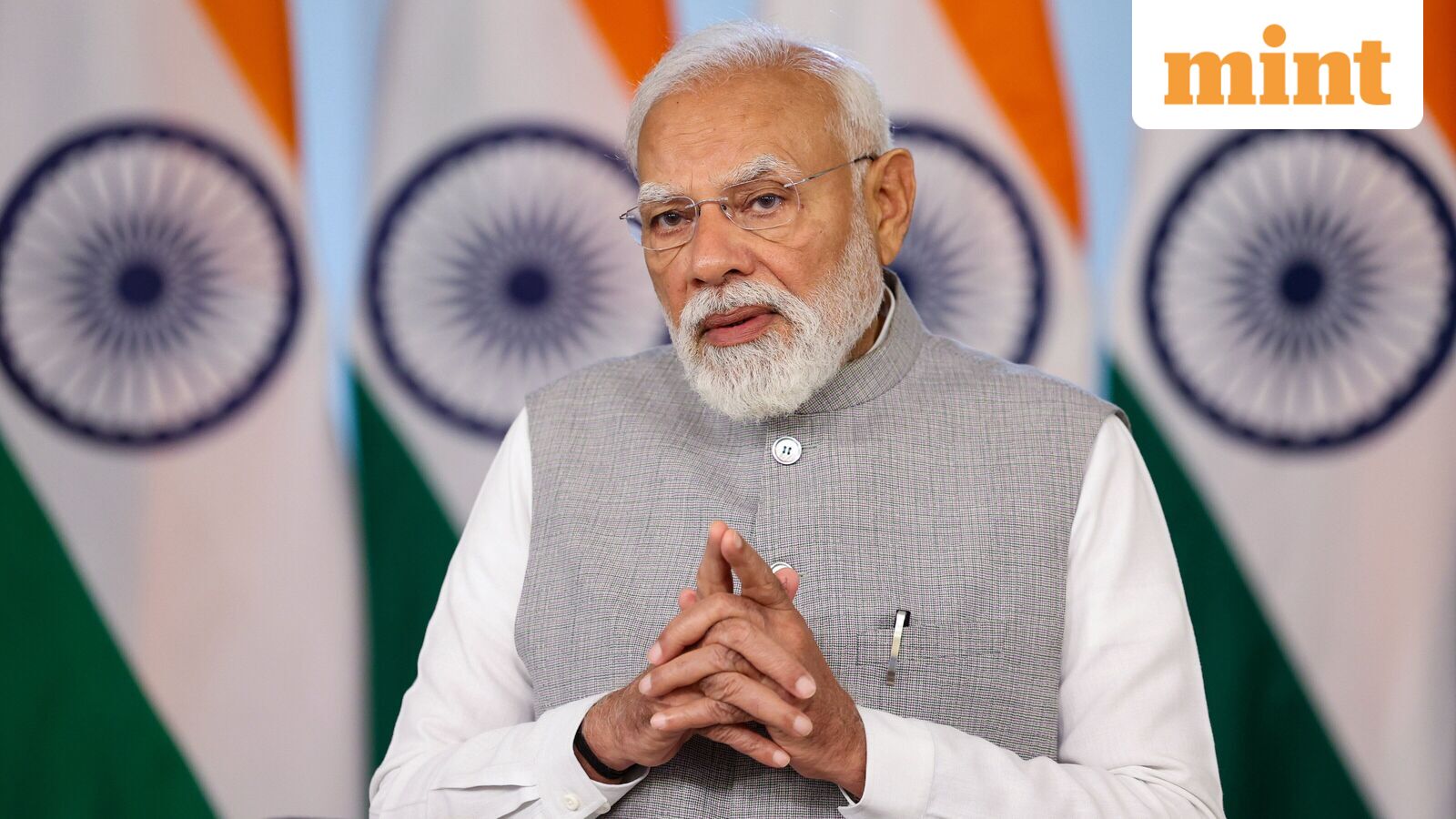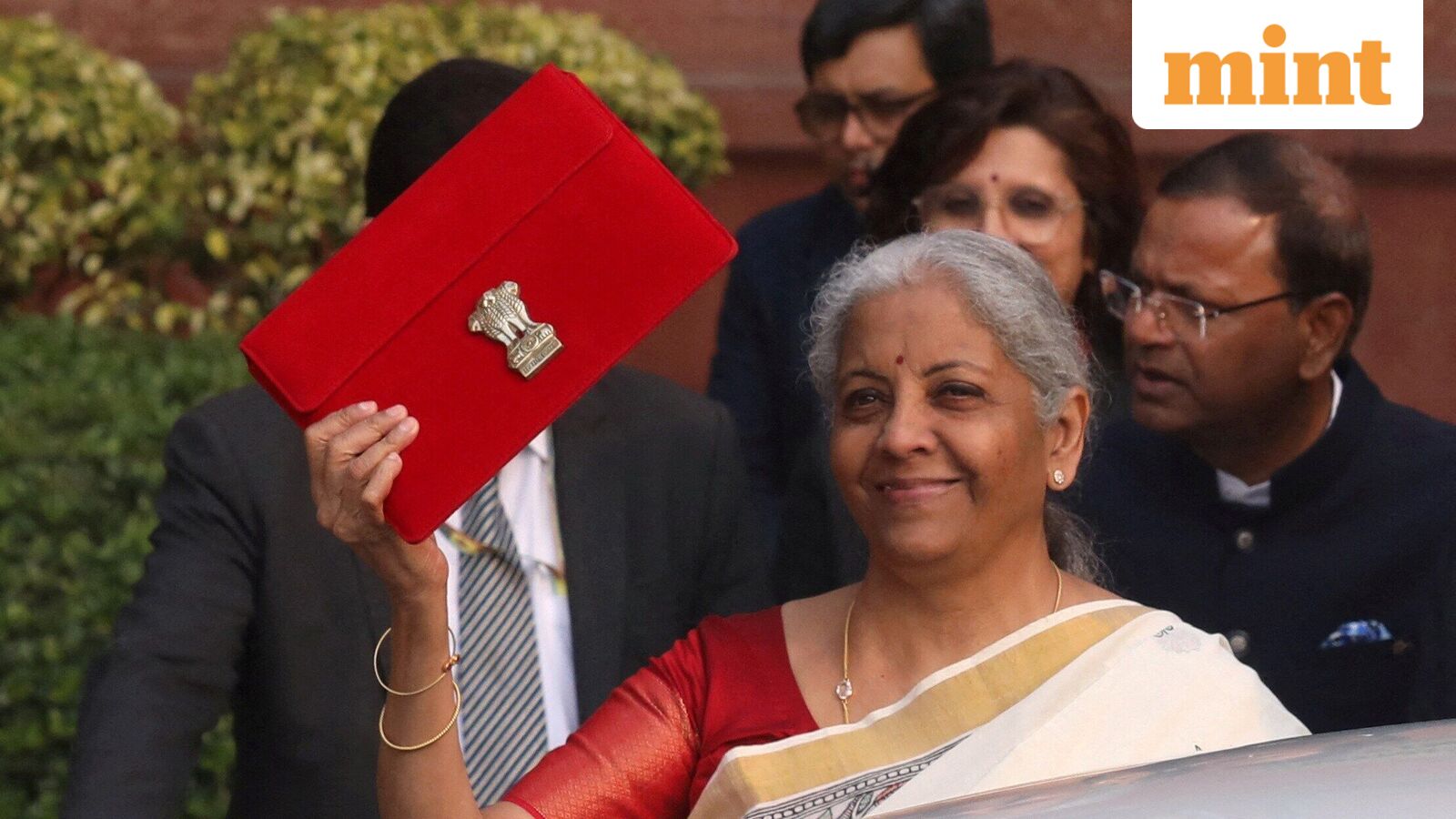
Finance Minister Nirmala Sitharaman’s Budget speech today is expected to mark a departure from previous Budget speeches in more ways than one, according to media reports citing government sources familiar with the developments.
First, it will be a rare occasion for the Finance Minister Nirmala Sitharaman to present the Budget on a Sunday.
Then, unlike previous years where the Finance Minister’s speech has largely focused on Part A – outlining planned initiatives and sectoral strategies, this year’s address is expected to devote significant time and detail to Part B, typically limited to brief policy statements and concluding remarks.
FM Nirmala Sitharaman will present her record ninth consecutive Union Budget, with expectations high around reforms and planned government expenditure.
Government sources told Hindustan Times that the FM is likely to speak at length in Part B, marking a clear departure from earlier budget speeches, where the section consisted of only a few announcements.
“Part B of the Budget speech will place strong emphasis on both short-term and long-term goals,” sources told HT. They said that it would reflect India’s economic vision and priorities as the country moves deeper into the second quarter of the 21st century.
Part B will also offer a roadmap for showcasing India’s local strengths on the global stage, highlighting the country’s current capabilities as well as its future potential, the Hindustan Times report said.
The second part of the Budget is expected to draw significant attention from economists and experts in India and around the world, given its broader implications for the economy and policy direction, the report said, quoting sources.
The Union Budget 2026 comes amid global uncertainties. While domestic demand has held up and recent GDP growth at a 6-quarter high of 8.2%, it comes amid volatile commodity prices and uneven monetary easing by major central banks.
Part B of the Budget speech will place strong emphasis on both short-term and long-term goals.
The reimagined Part B will tackle both immediate priorities and strategic objectives spanning multiple years, sources told MoneyControl. This dual approach aims to balance the pressing needs of the current fiscal environment with preparations for sustained economic growth, according to the report.
The government’s unconventional approach represents a deliberate choice to emphasise strategic vision over traditional numerical presentations, signalling a new chapter in how India communicates its fiscal and economic planning, according to reports.