Indian agriculture has shown remarkable resilience in the face of growing climate risks. The sector, which employs about 46% of the workforce, has seen overall production rise but also a sharp slide in crop prices. Mint lists five areas where the budget could reinvigorate the rural sector.
What is the main challenge faced by farmers?
Helped by ample rains last year, food production during the kharif crop season rose 2.3% to 173 million tonnes in 2025-26. However, crop prices have been on a decline. In fact, food prices have seen a deflationary trend since June last year until December when retail prices were 2.7% lower year-on-year. While this helped lower overall inflation for consumers, farmers have suffered. Most crop prices were lower than the government’s minimum support prices (MSP), including for non-food crops like cotton and non-MSP crops like potato and onion where prices are lower by 22-28% compared to last year. Thus, budgetary allocation for price support schemes is critical to lift farm incomes and rural demand.
How can India fix its soil health?
India is a top producer globally in several crops like rice, wheat and fruit and vegetables. However, crop yields continue to lag global averages by a wide margin. This is true for crops like cotton and oilseeds as well. One way to raise productivity is by improving soil health. Indian soils are low in organic carbon content, which ranges between 0.3% and 0.6%, far lower than the desired levels of 1-1.5%. India launched a soil health card scheme back in 2015, but it did not help much to improve the deteriorating soil health. Through programmes like the soil health scheme, and the national mission on natural farming, the budget can help remedy the situation. This will also improve the quality of food.
Why is research funding critical?
Last year’s budget marginally raised the funding for agricultural research to ₹10,466 crore. This is less than 0.5% of India’s farm sector GDP. A 2024 study by a government institute (National Institute of Agriculture Economics and Policy Research) said that every rupee invested in research yields a 14-fold return. Considering India’s crop-yield gaps and growing climate risks, research funding is of critical importance.
How can subsidy rationalization help?
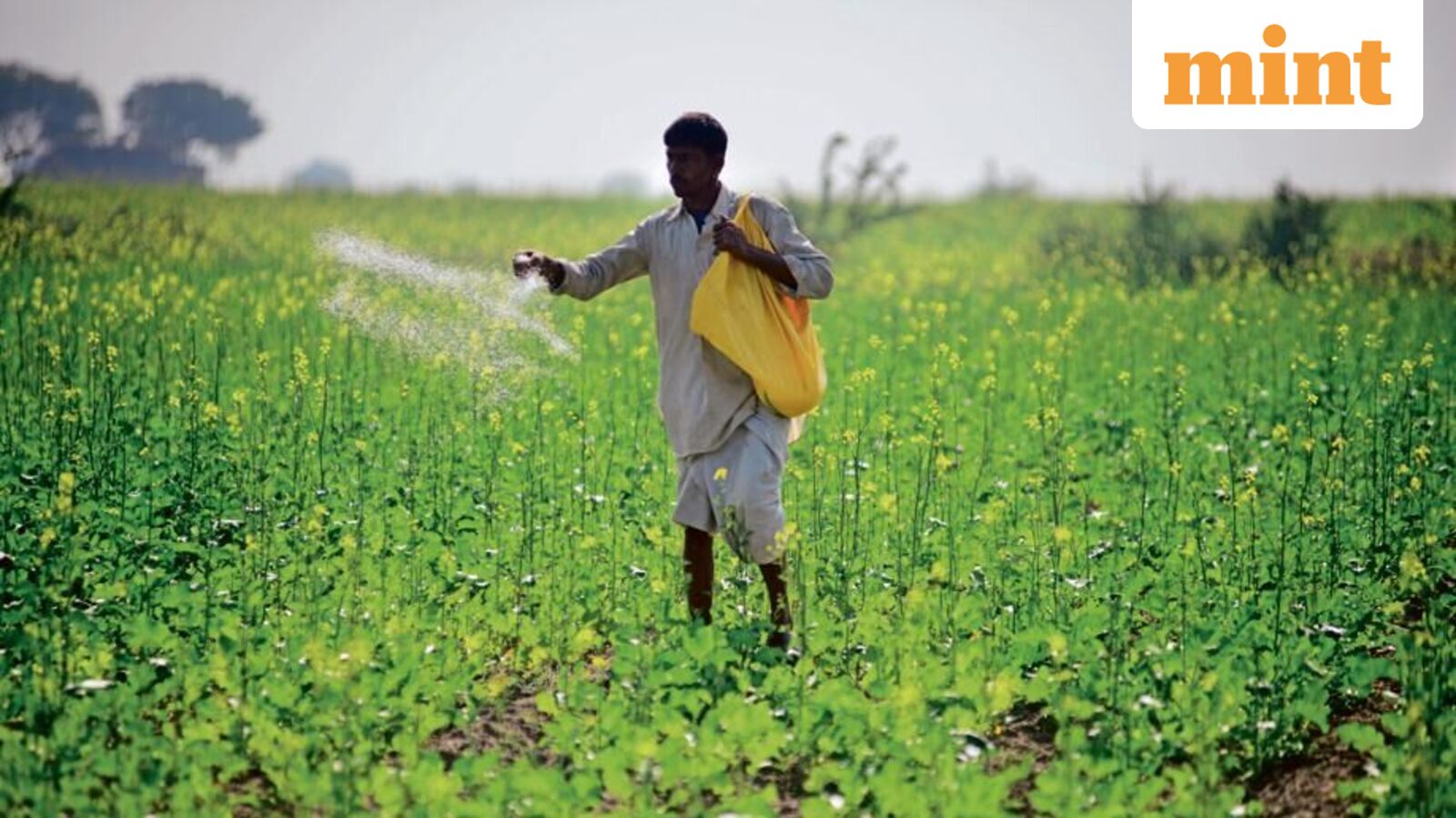
In 2025-26, India would be spending a staggering ₹3.7 trillion on fertilizer and food subsidies. Farmers tend to overuse cheap urea, causing a nutrient imbalance in the soil. Assured purchase of crops like rice and wheat at MSP further pushes farmers to grow water-intensive cereals instead of planet-friendly ones like pulses and oilseeds where India is heavily dependent on imports. A revamp of these subsidies can make Indian agriculture more productive and remunerative, besides reducing import dependence. In addition, experts say the government needs to rethink the direct cash transfer scheme for farmers ( ₹63,500 crore), which can be used more productively in areas like irrigation, research and insurance.
How can non-farm schemes lift rural incomes?
Previous surveys have shown that agricultural households depend on wage earnings for over 40% of their monthly incomes, the rest coming from crop sector and animal husbandry. This dependence on wages is higher for landless families. Key schemes in the budget on rural housing, roads, drinking water and sanitation (cumulative spending of ₹1.5 trillion in 2025-26) are therefore critical to lift wages and incomes in rural India. With the earlier rural jobs scheme (estimated spending of ₹86,000 under Mahatma Gandhi National Rural Employment Guarantee Programme in 2025-26) replaced by a new scheme, it remains to be seen the quantum of funds that it will be allocated.